Against the pleasant early summer backdrop, the 6th CenBRAIN Neurotech Annual Workshop (CBNAW’26) was hosted at the Yungu Campus of Westlake University from May 28 to 29, 2026.
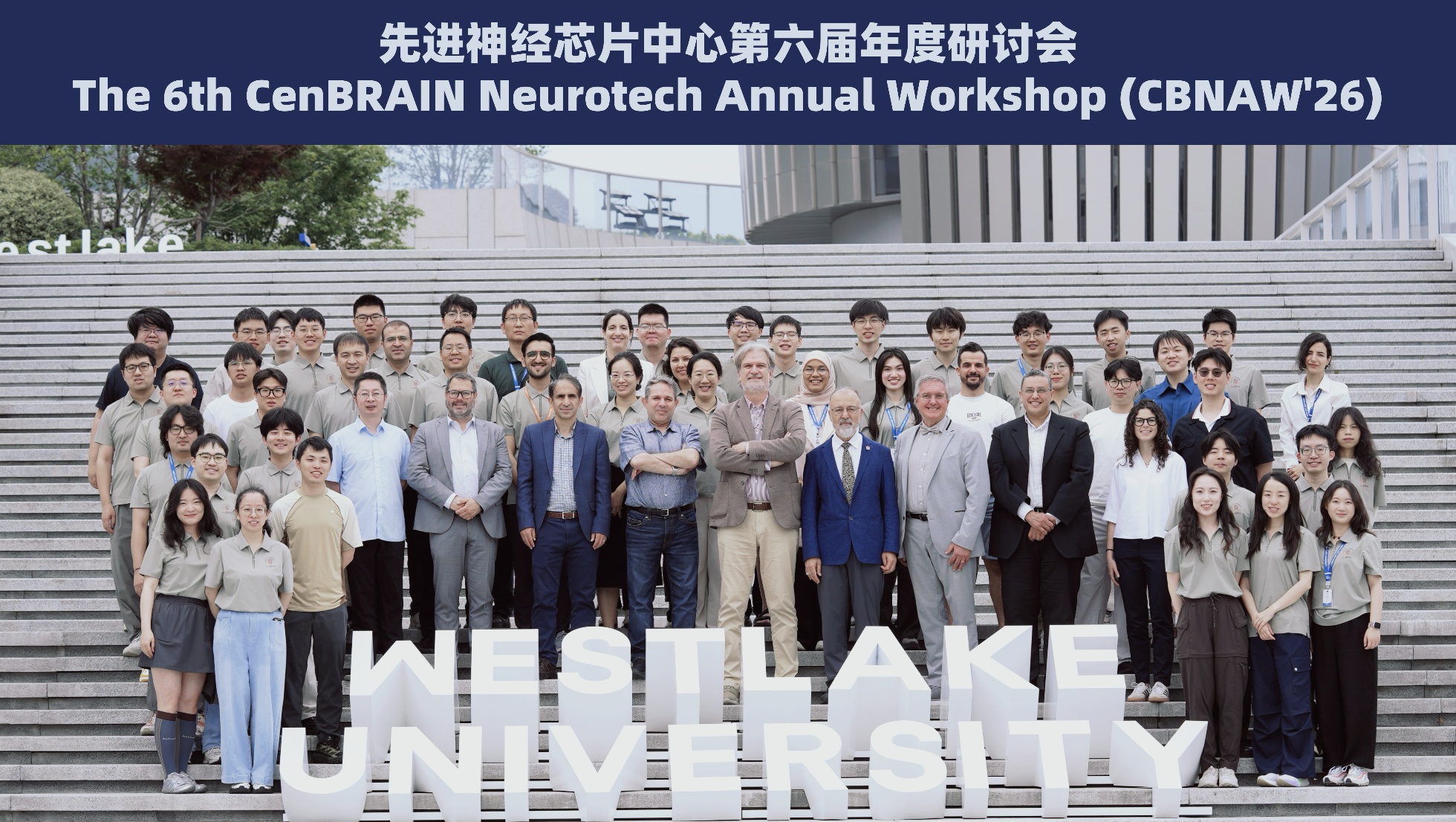
Launched in 2021 and chaired consecutively for six years by Chair Professor Mohamad Sawan, the annual workshop serves as the flagship academic event of the CenBRAIN Neurotech Center of Excellence.
Hosted by Westlake University, organized by the CenBRAIN Neurotech Center of Excellence (CenBRAIN Neurotech), and fully supported by the Department of Electronics and Information Engineering, the event targets the cutting-edge interdisciplinary frontier of neurochips, biomedical engineering and brain-computer interfaces, consisting of invited keynotes, youth forum, panel discussion and poster exhibitions.
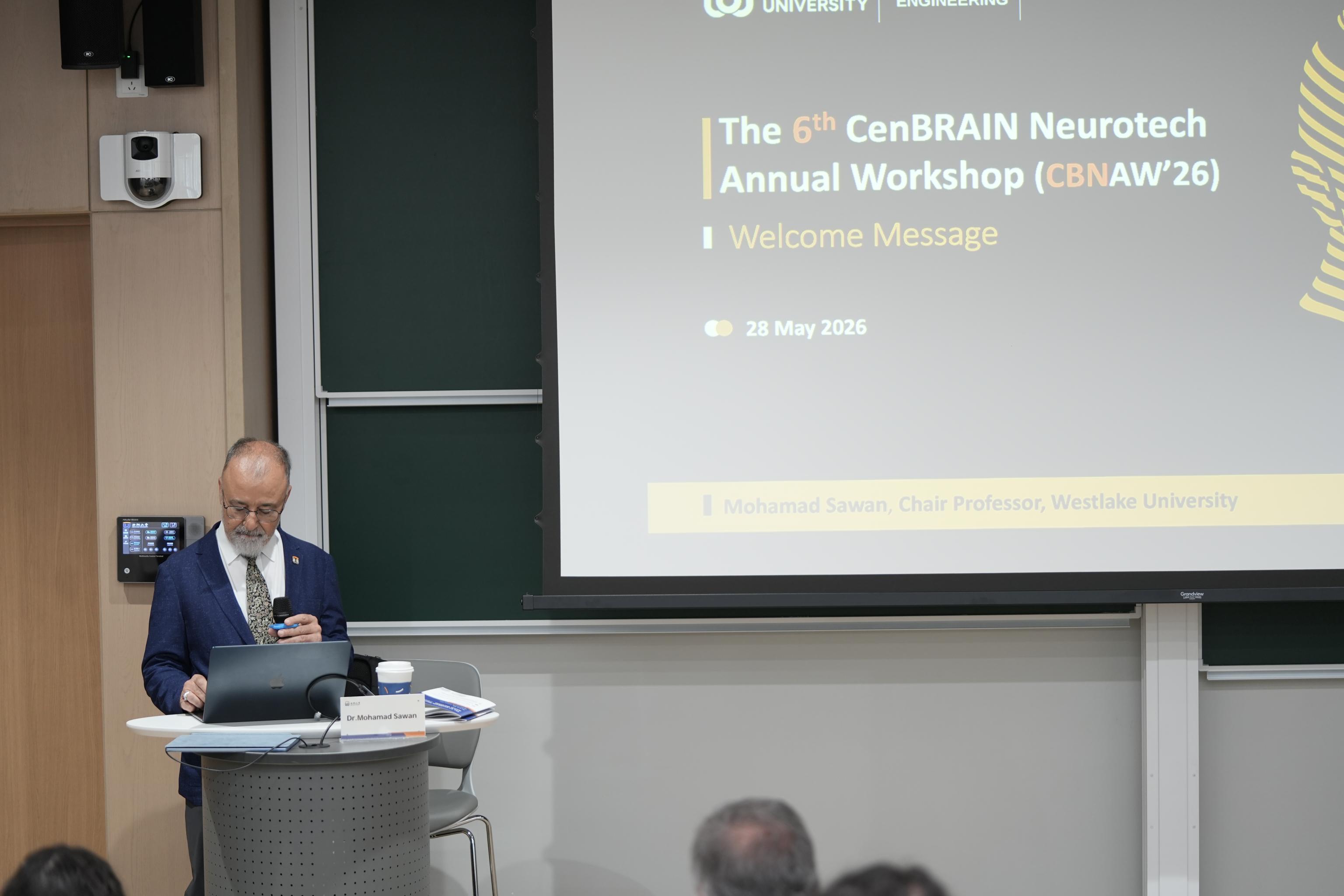
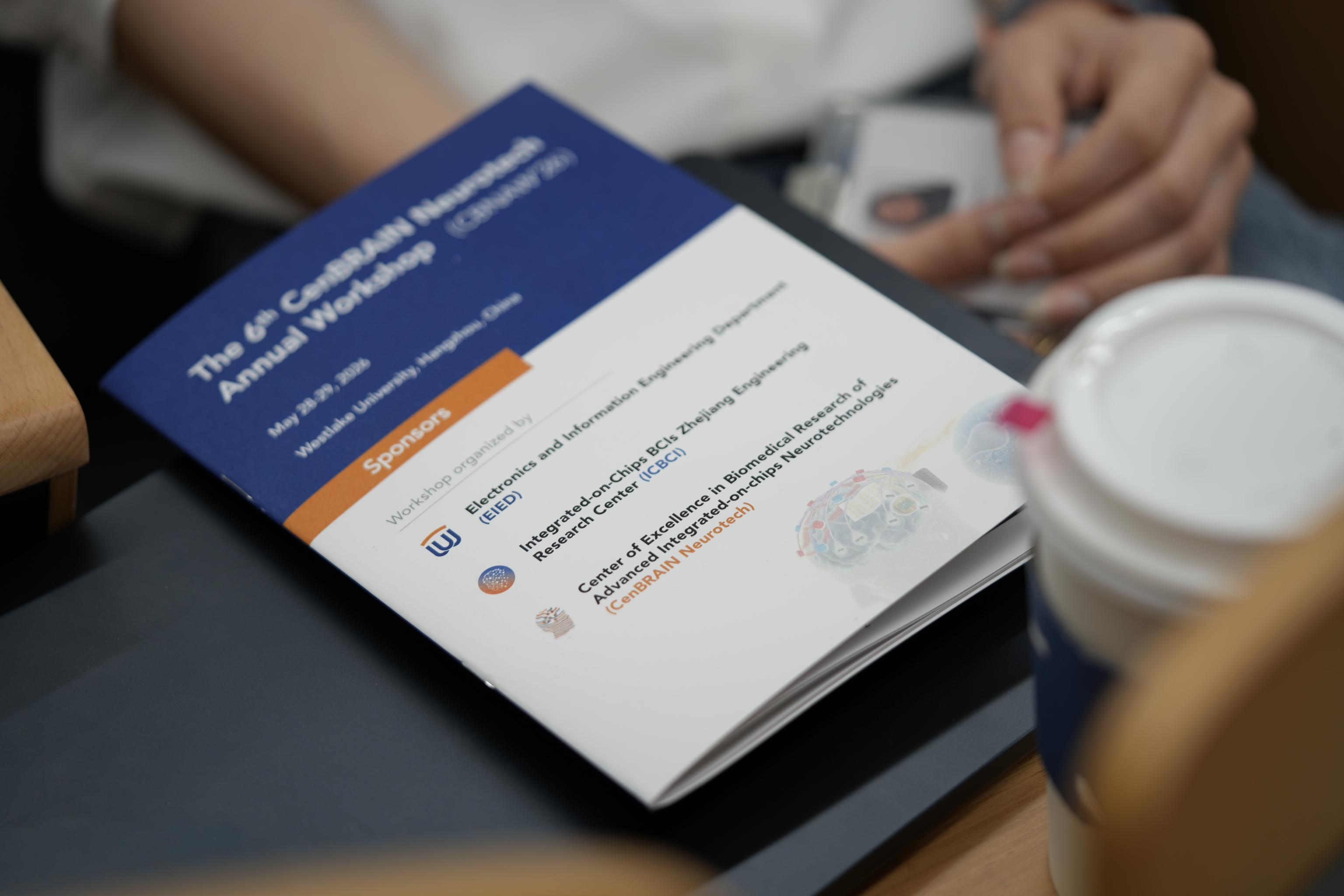
Opening
On the morning of May 28, several campus shuttle buses pulled up outside the campus Teaching Center.
Invited speakers including Prof. Danilo Demarchi (Politecnico di Torino, Italy), Prof. Pedram Mohseni (Case Western Reserve University, USA), Prof. Mehdi Kiani (University of Maryland, Baltimore County, USA), Prof. Benoit Gosselin (Université Laval, Canada), Prof. Sandro Carrara (École Polytechnique Fédérale de Lausanne, EPFL, Switzerland) and their research team members alighted from the vehicles.
Inside the venue, Prof. Mohamad Sawan, the chair of the CBNAW’26, was chatting warmly with Prof. Bo Zhao from Zhejiang University and other long-term academic collaborators.
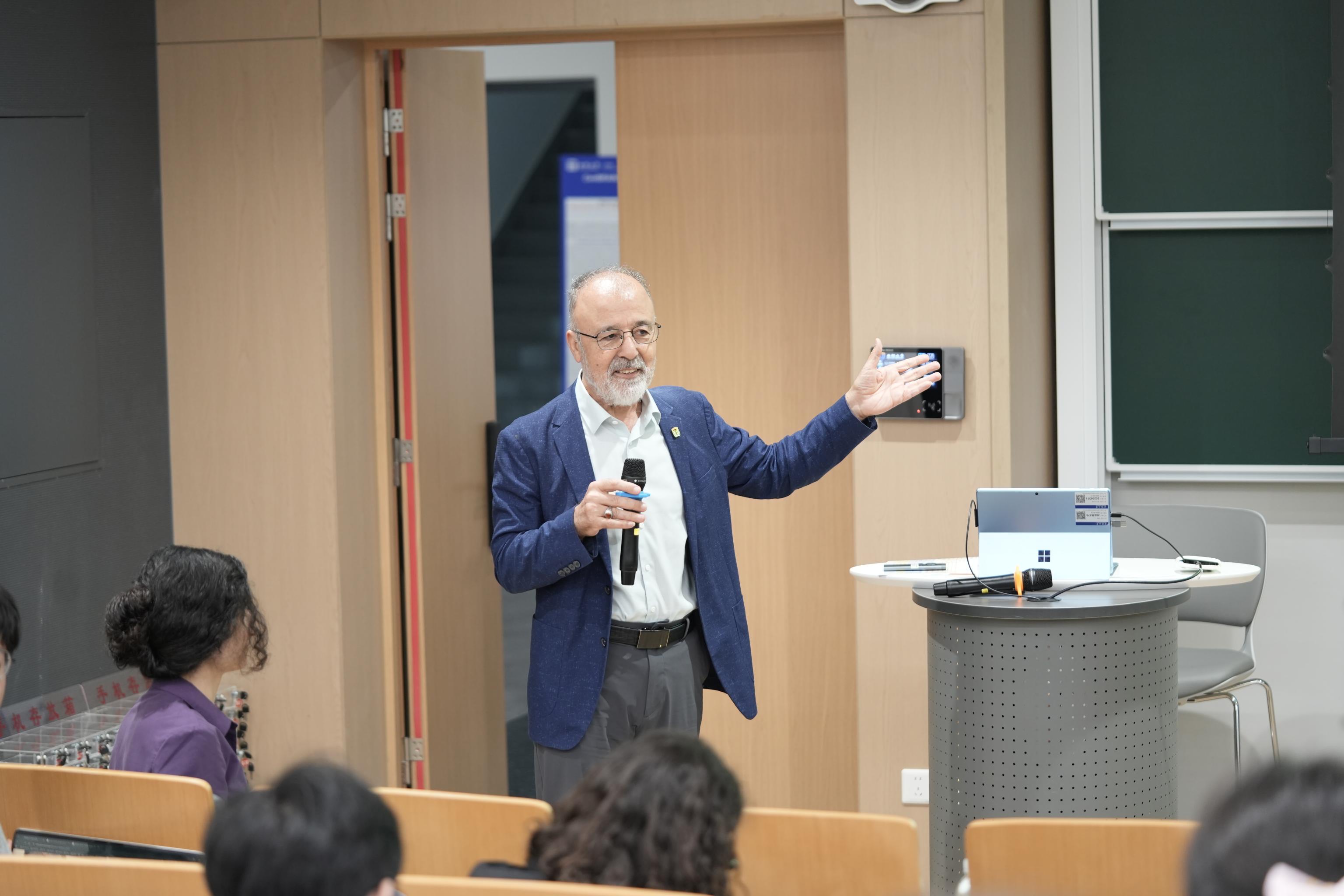
In the opening message, Prof. Mohamad Sawan introduced the development history of Westlake University, the framework of the School of Engineering and the Department of Electronics and Information Engineering, alongside the latest research progress achieved by the CenBRAIN Neurotech. He mentioned, the center’s research metrics delivered outstanding results.
"Since 2020, our group has published a total of 206 peer-reviewed papers with 3,687 cumulative citations; multiple articles focusing on AI-enabled healthcare, wearable sensors and epileptic EEG algorithms have earned over 100 citations apiece.
To date, 43 patent applications have been filed, among which 17 have been granted and another 26 are pending. Notably, one patented closed-loop neuromodulation BCI chip has completed industrialization and achieved commercial translation."
Such achievements demonstrate the center’s robust innovation strength and promising industrial transformation capacity across neurochip and biomedical engineering disciplines.
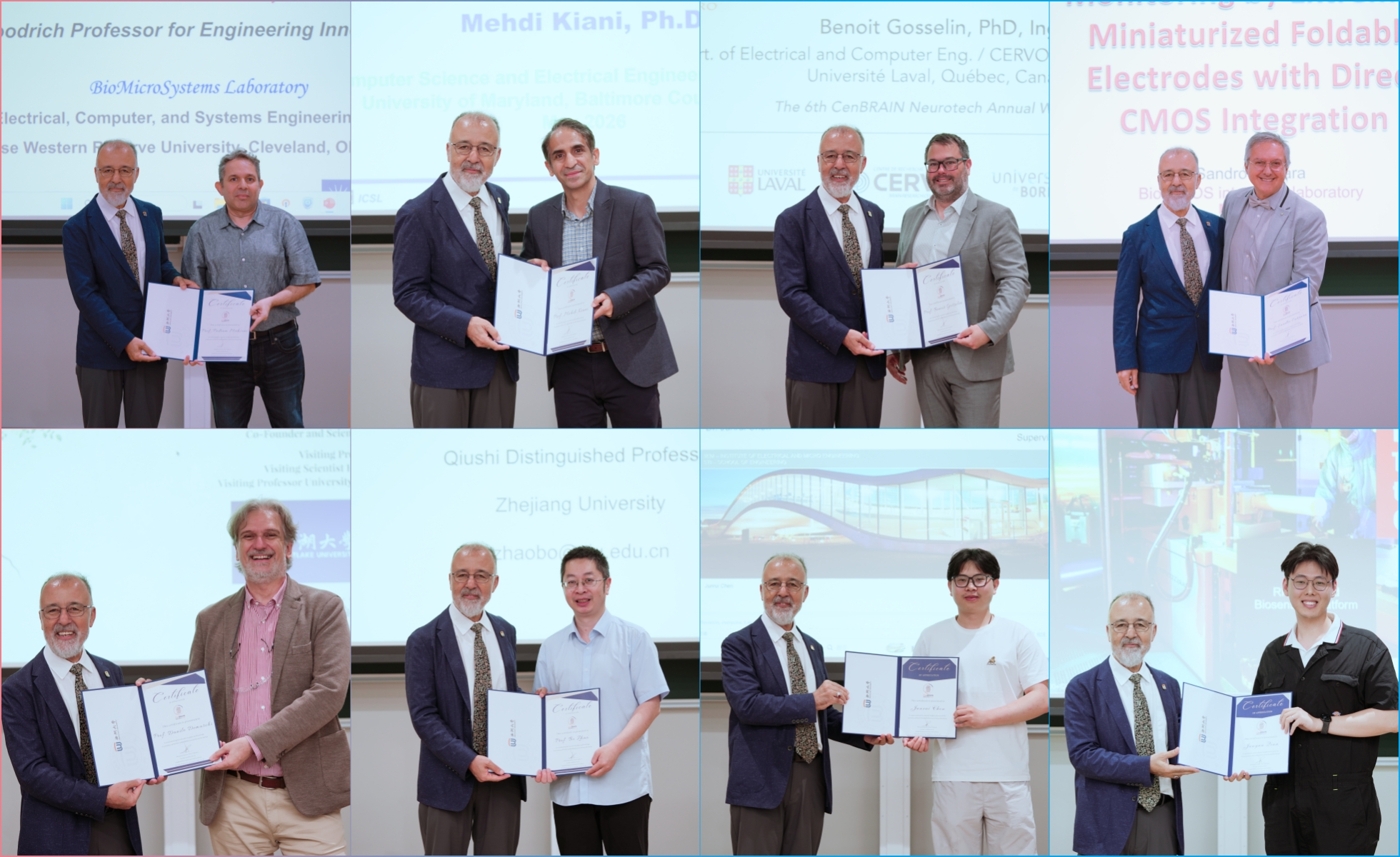
Around seventy domestic and overseas experts and early-career researchers participated in keynote sessions covering diverse frontiers of neurotechnology, biomedical engineering and intelligent sensing:
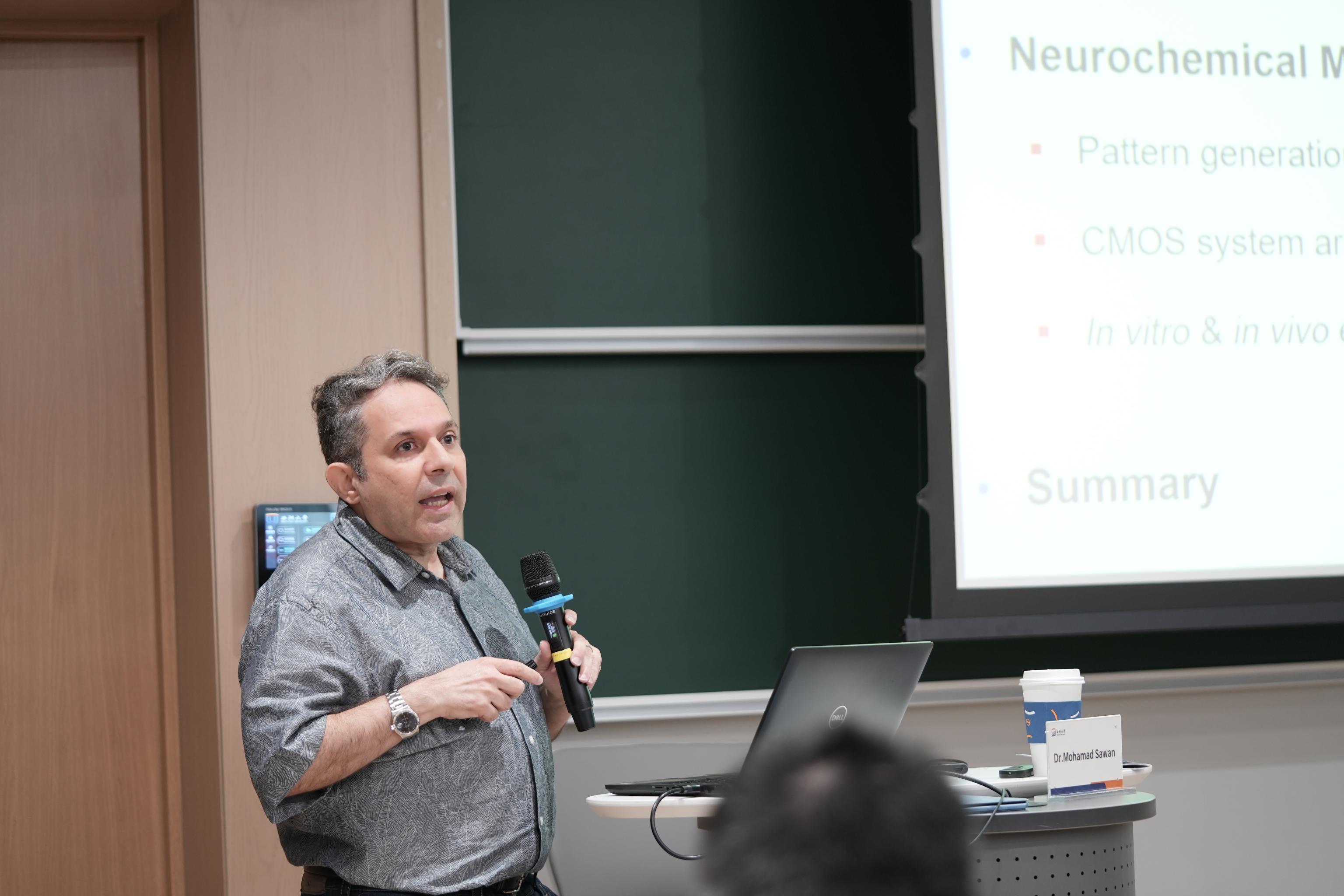
• Prof. Pedram Mohseni (Case Western Reserve University): High-fidelity sensing and manipulation of brain neurochemistry via custom CMOS-integrated microsystems for precise in-vivo neural monitoring and intervention.
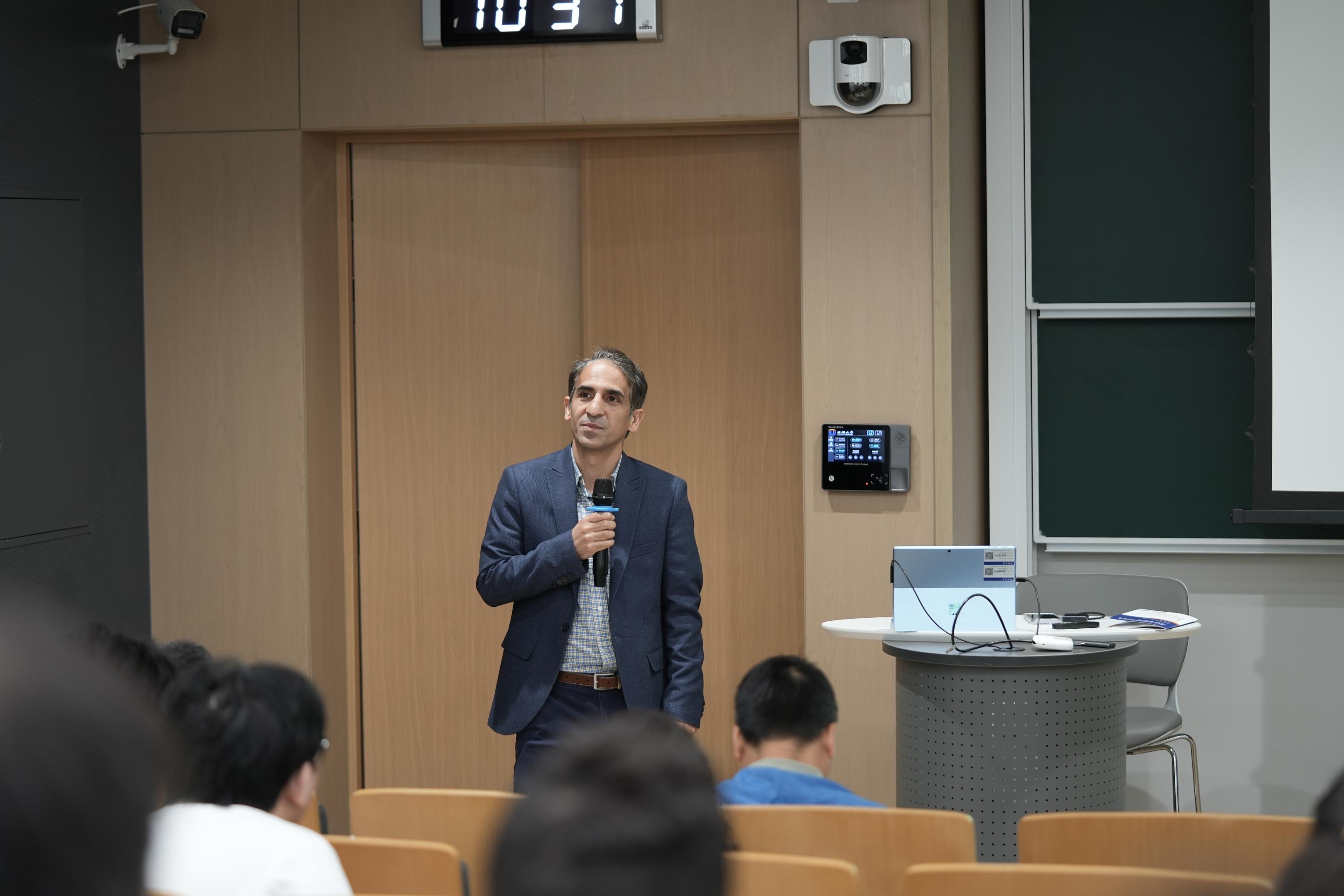
• Prof. Mehdi Kiani (University of Maryland): Large-scale high-resolution transcranial ultrasound neuromodulation and its translational pathways for fundamental neuroscience and clinical applications.
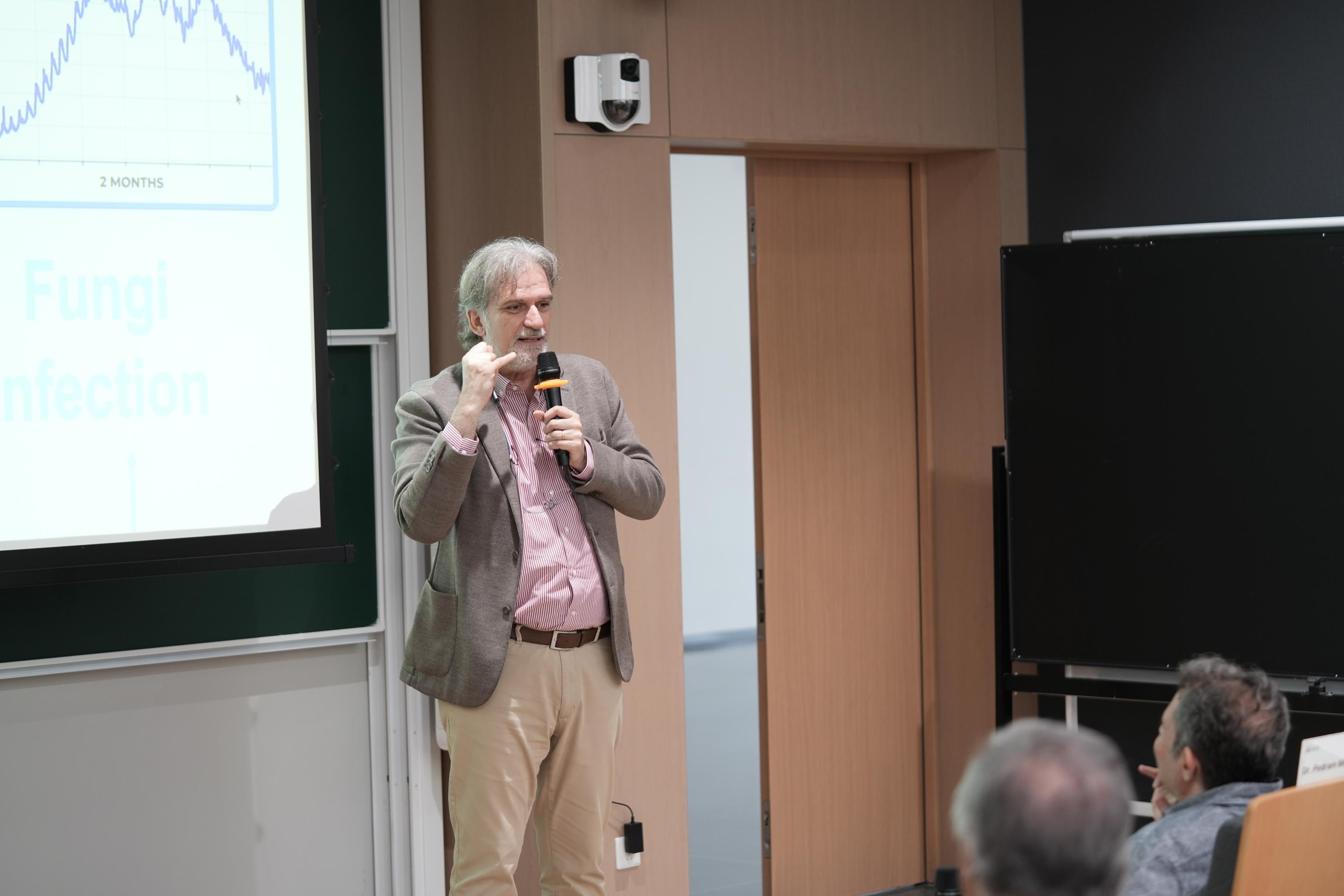
• Prof. Danilo Demarchi (Politecnico di Torino): Wearable plant sensors tailored for climate smart agriculture and cross-domain innovative deployment of sensing technologies.
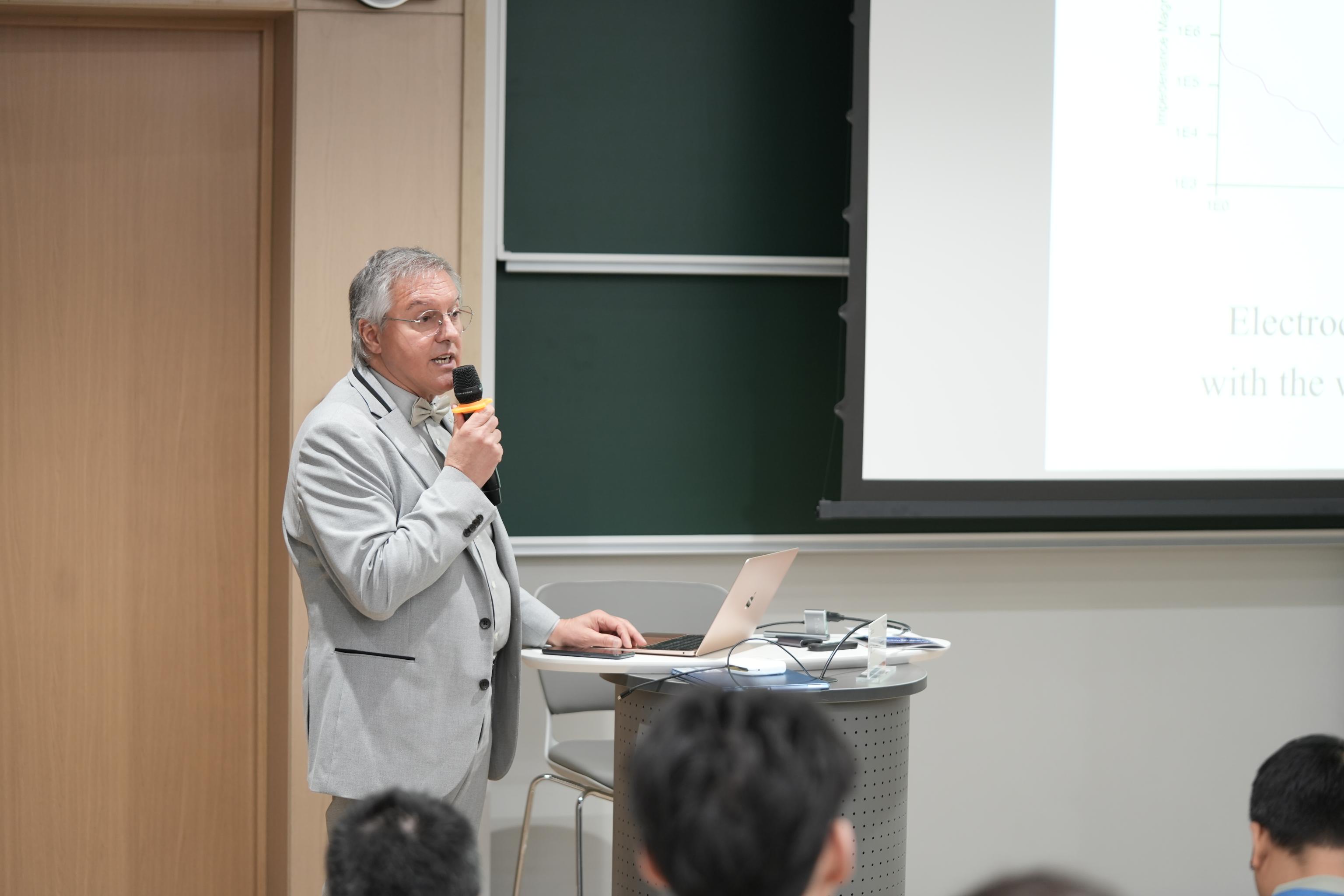
• Prof. Sandro Carrara (EPFL): Ultra-miniaturized foldable electrodes monolithically integrated with CMOS circuitry for body-dust-sized brain monitoring, delivering a disruptive alternative for neurochemical biosensing.
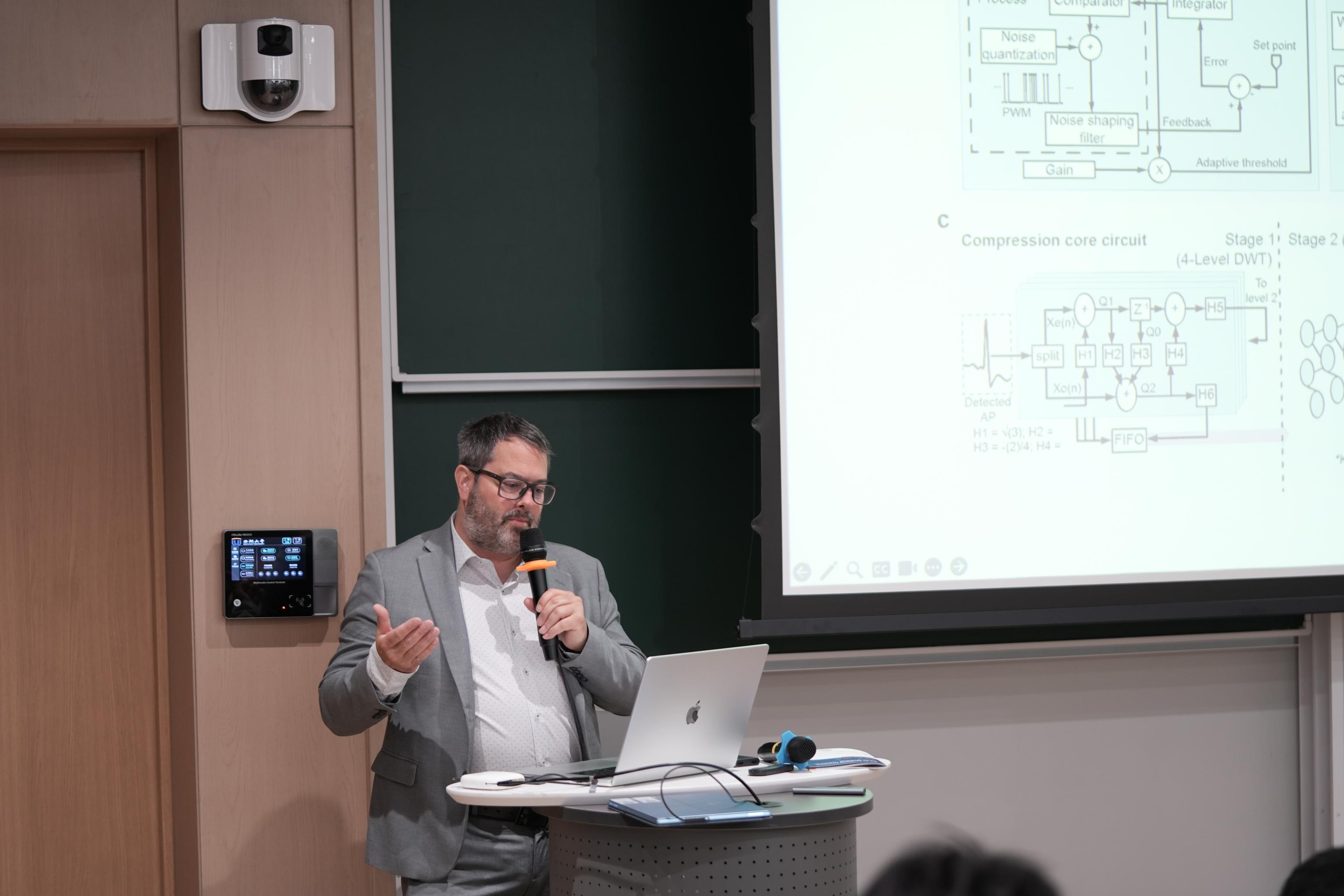
• Prof. Benoit Gosselin (Université Laval): Intelligent closed-loop bioelectronic systems built upon the convergence of integrated circuits, artificial intelligence and biological science.
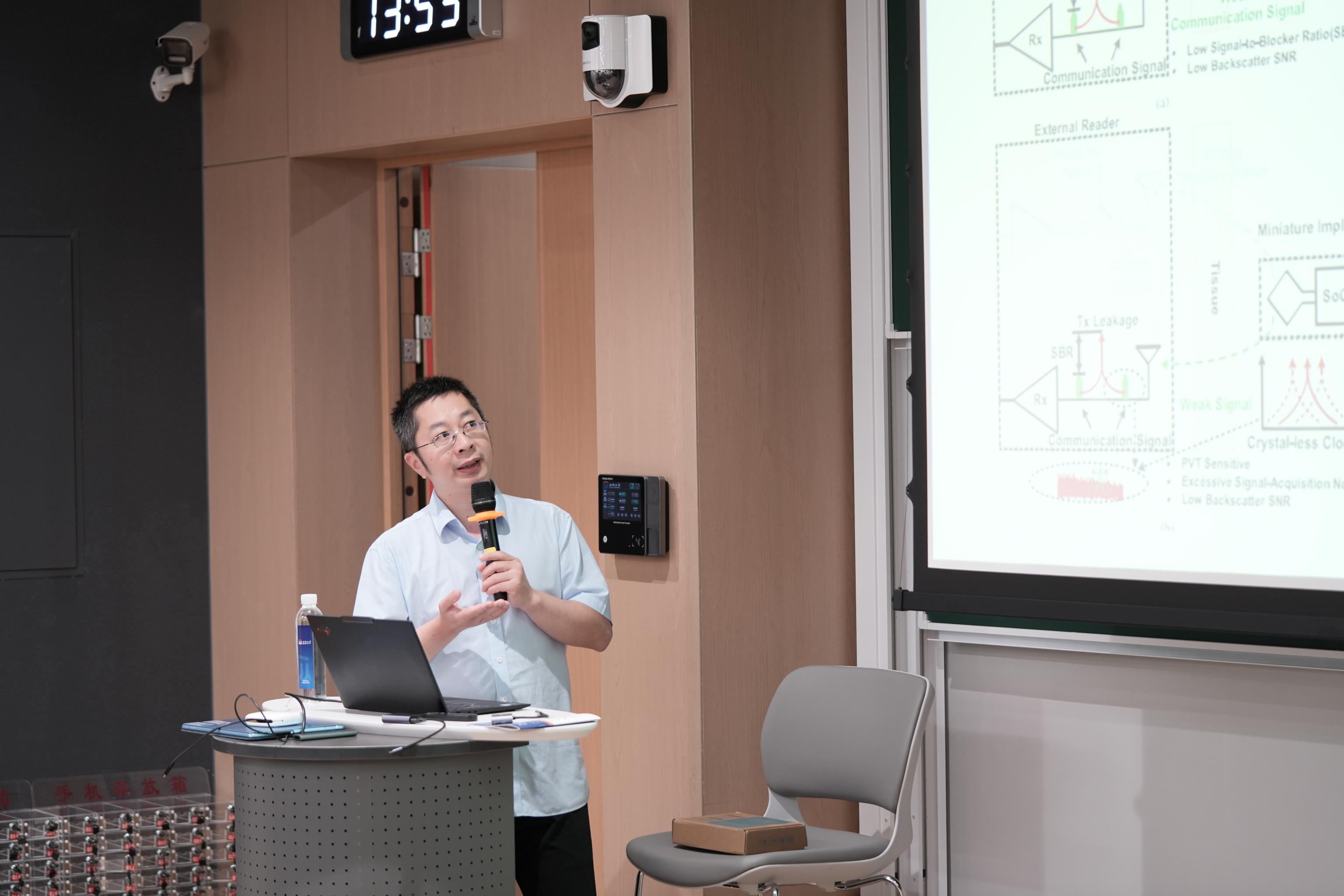
• Prof. Bo Zhao (Zhejiang University): Technical evolution of wireless biomedical sensors shifting from near-zero-power design toward fully battery-free implementation.
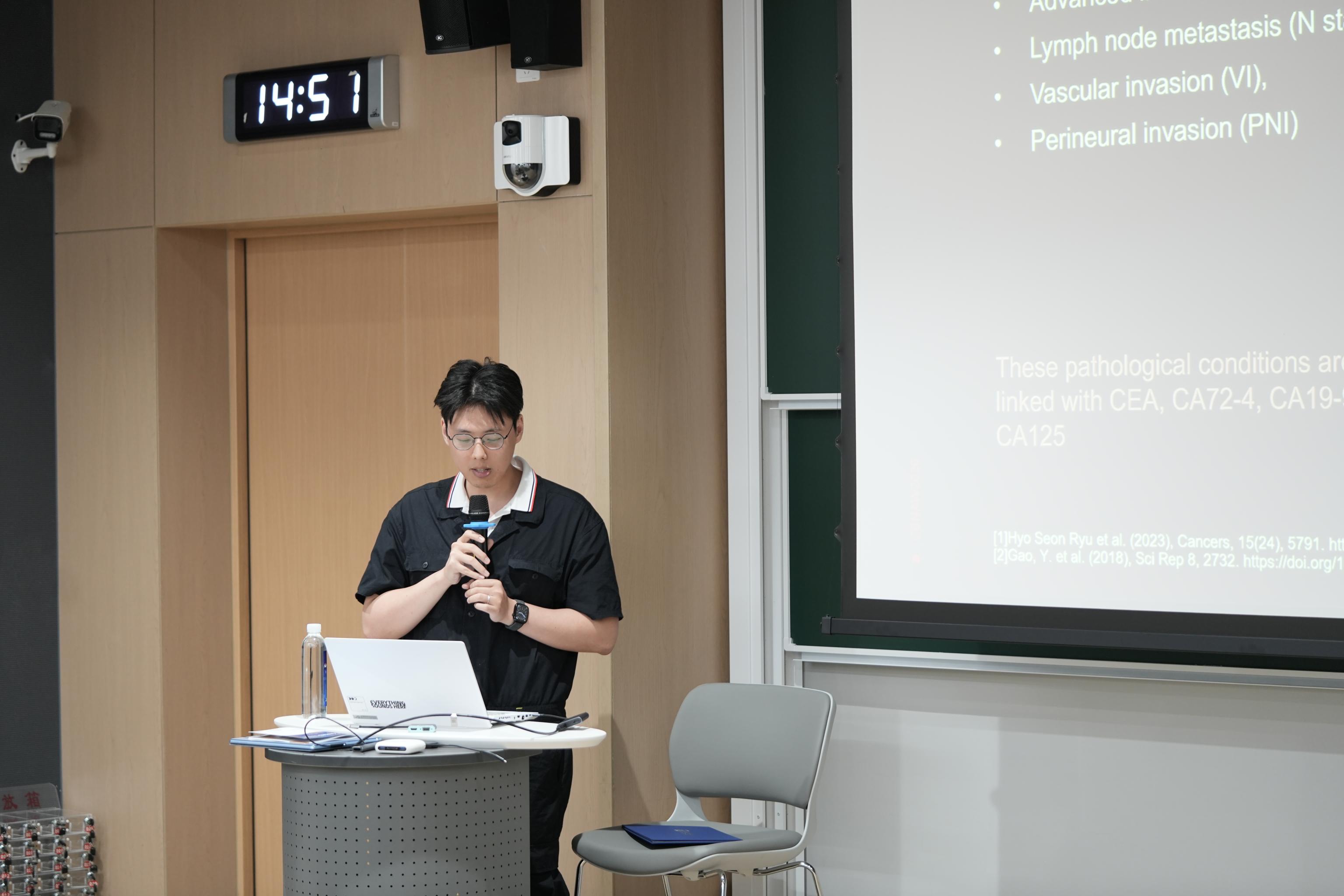
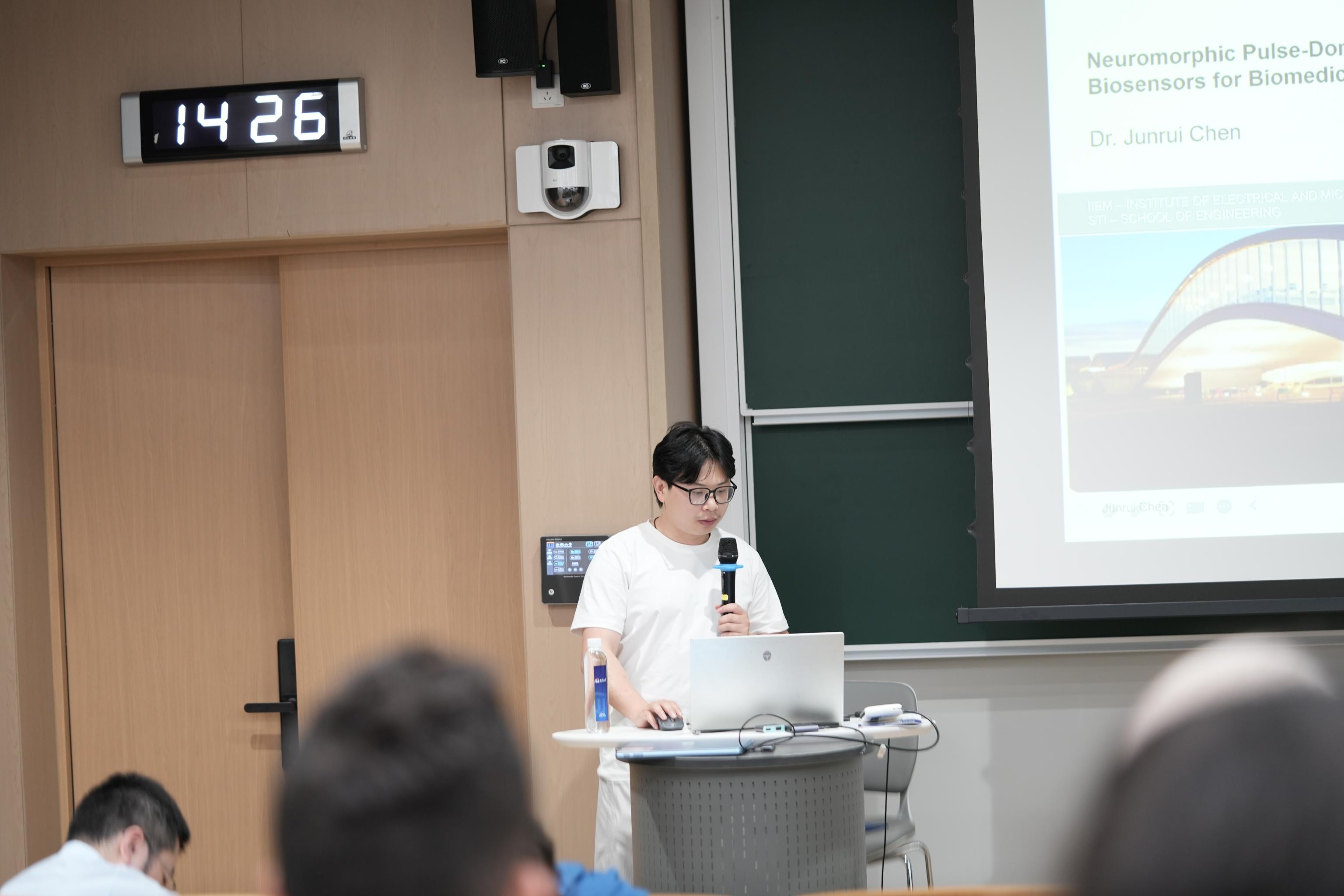
Two young researchers from EPFL additionally delivered cutting-edge talks focusing on memristive biosensing and in-sensor computing respectively.
Beyond keynote speeches, panel discussion, youth forum and poster exhibitions were arranged to break disciplinary boundaries and stimulate interdisciplinary brainstorming.
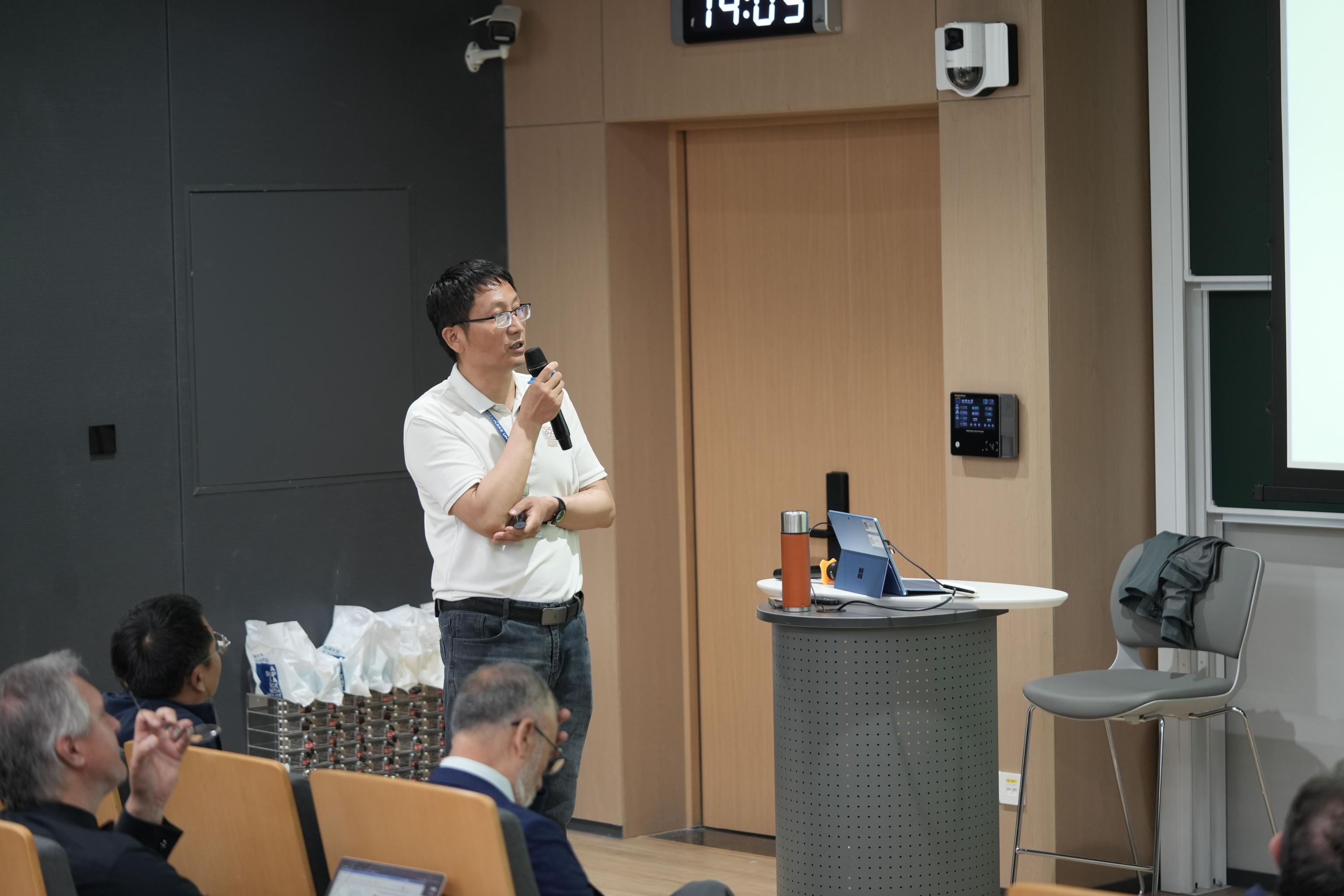
At the youth forum, members from CenBRAIN Neurotech shared application-oriented projects spanning neural interfaces, closed-loop neuromodulation for type-2 diabetes, BioMEMS, brain organoid sensing, wearable BCI, nano-energy materials, programmable neural cell culture, cancer biosensing and memristor devices:
• Dr. Guoguang Rong (Research Professor): High-Energy Nano-Porous Silicon Anodes for Bioelectronic Applications
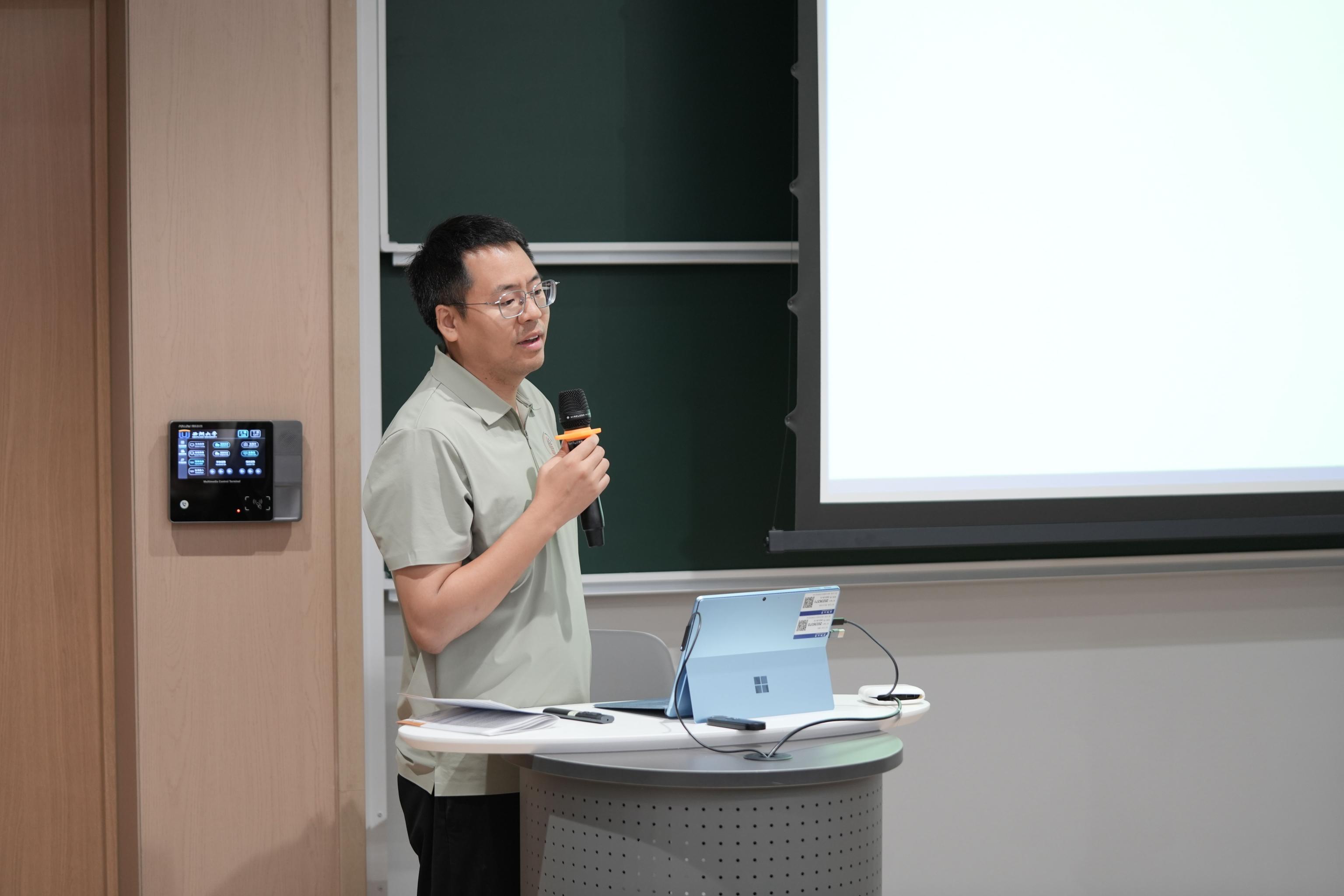
• Dr. Jie Yang (Research Professor): Brain-Computer Interfaces: Progress, Landscape, and Future
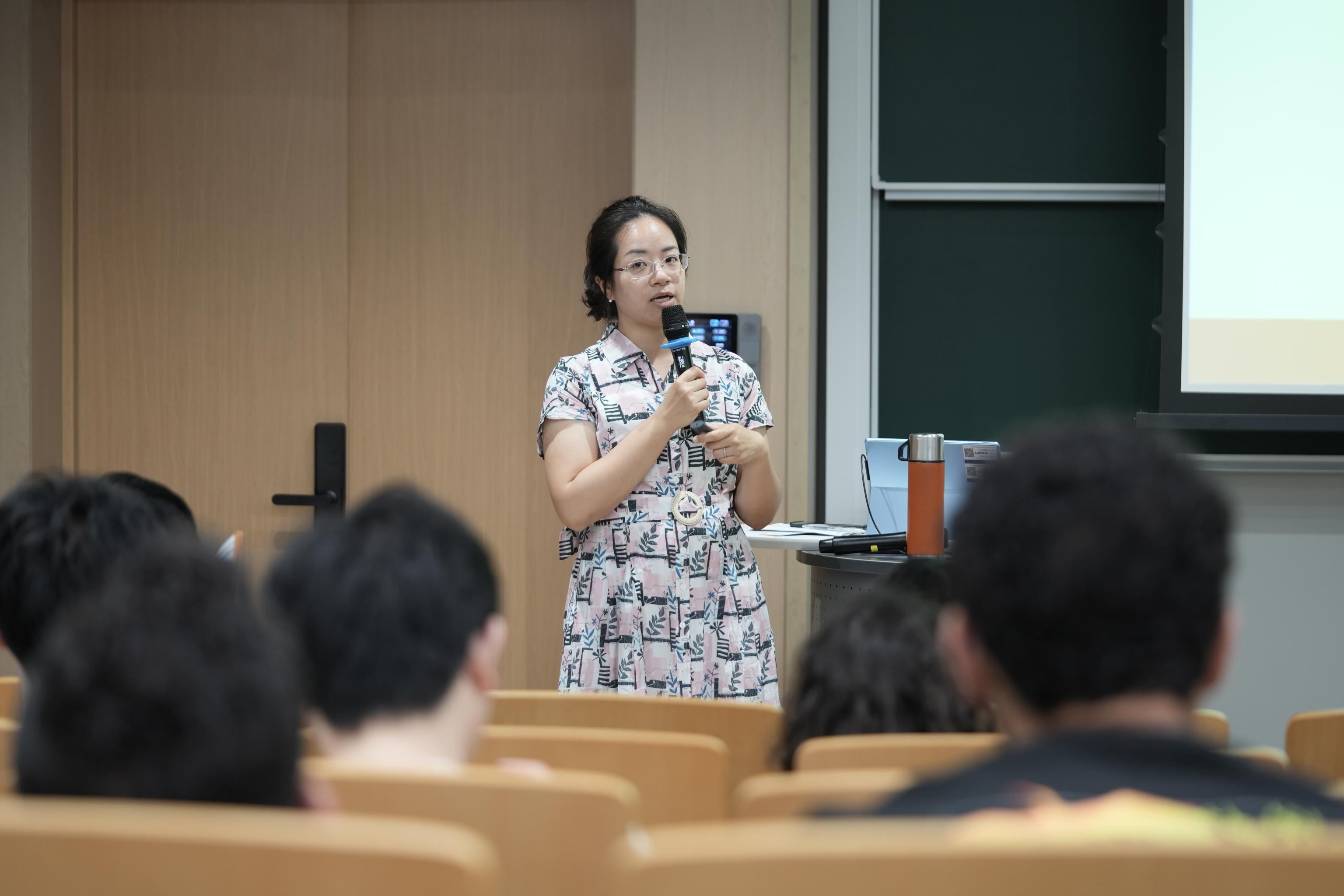
• Dr. Yun-Hsuan Chen (Research Assistant Professor): Wearable BCI: Mind, Muscle, Movement
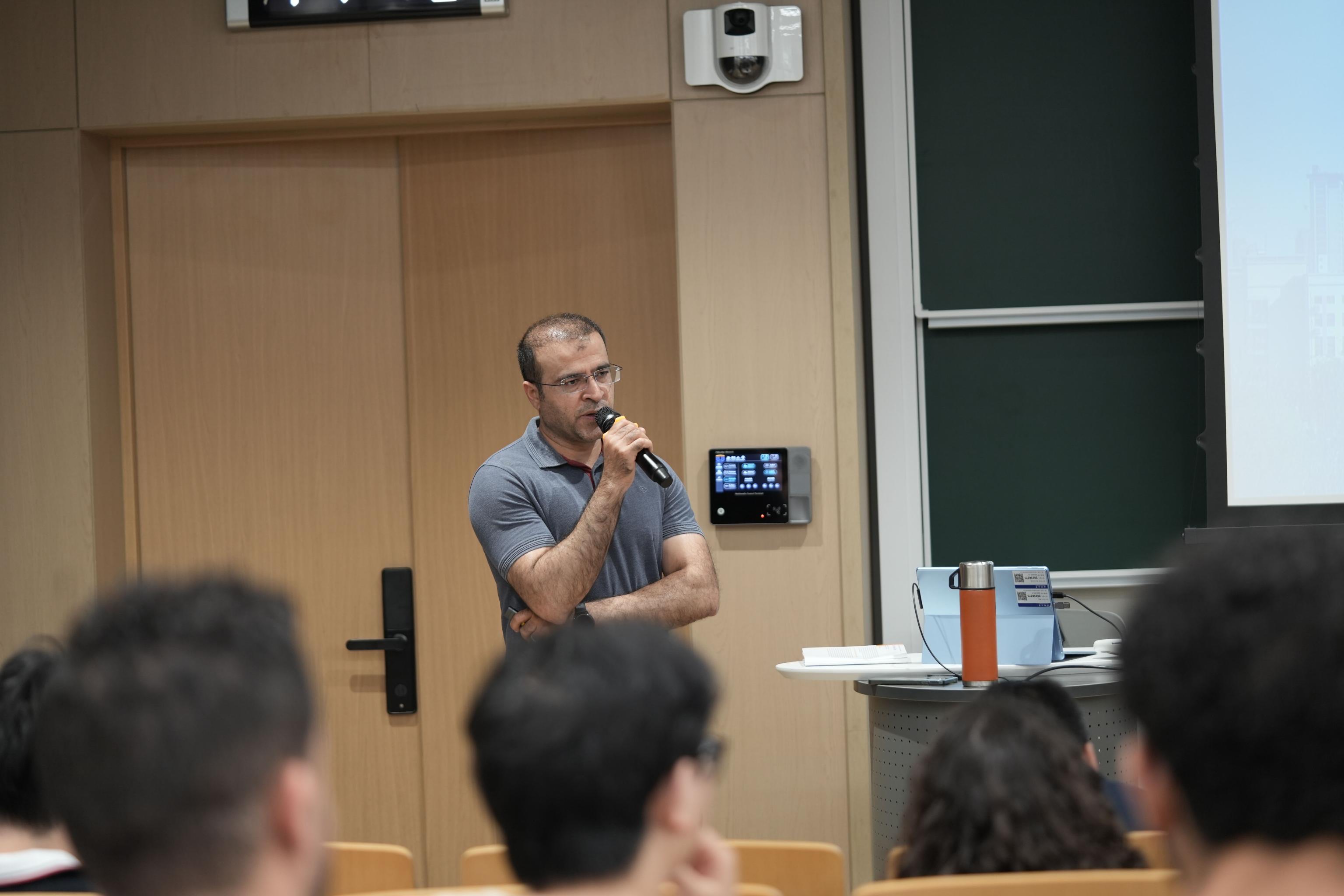
• Dr. Fateh Ullah (Research Assistant Professor): Porous Silicon-based Memristors and Beyond
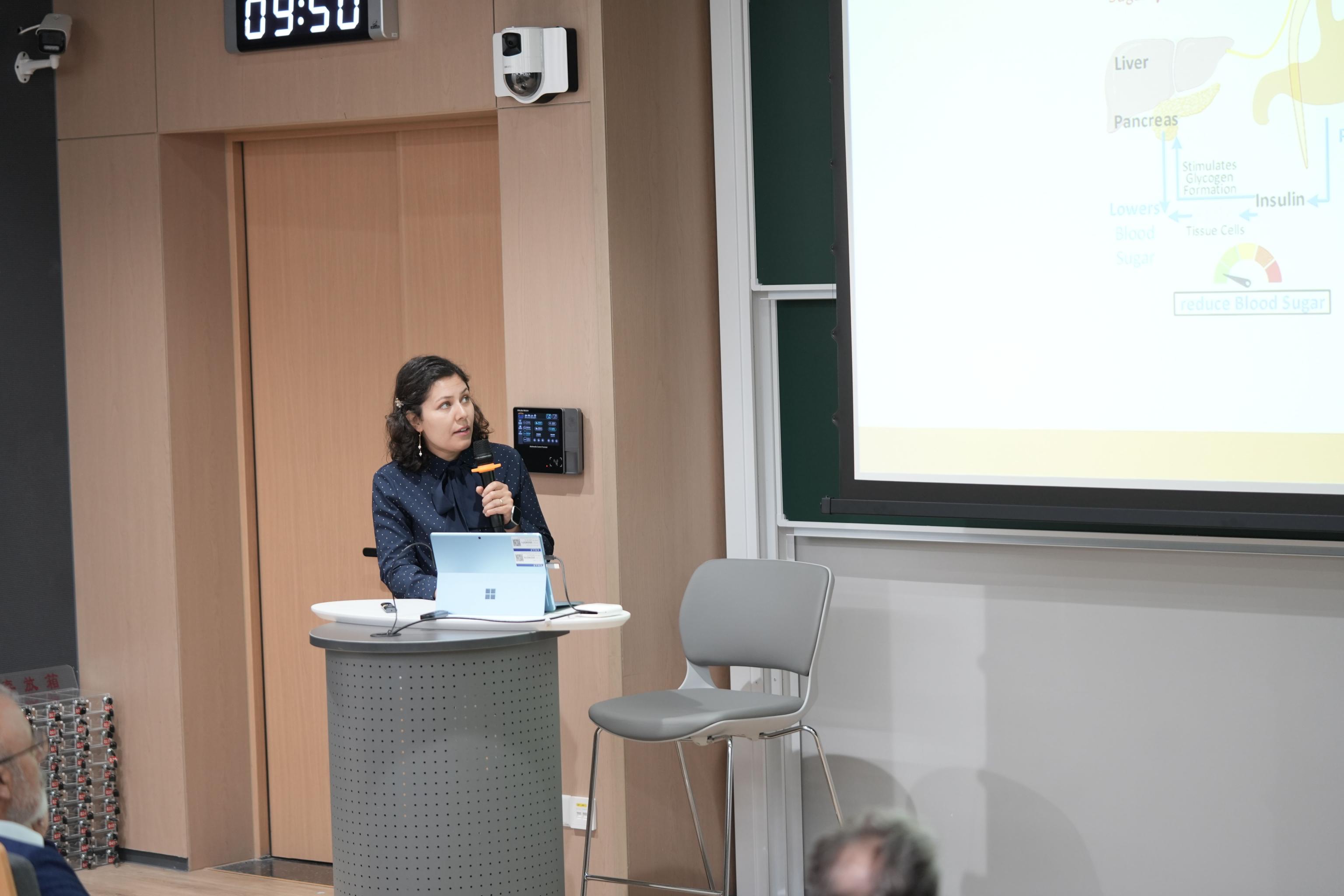
• Dr. Razieh Eskandari (Research Assistant Professor): Towards Implantable Closed-loop Neuromodulation for Type-two Diabetes
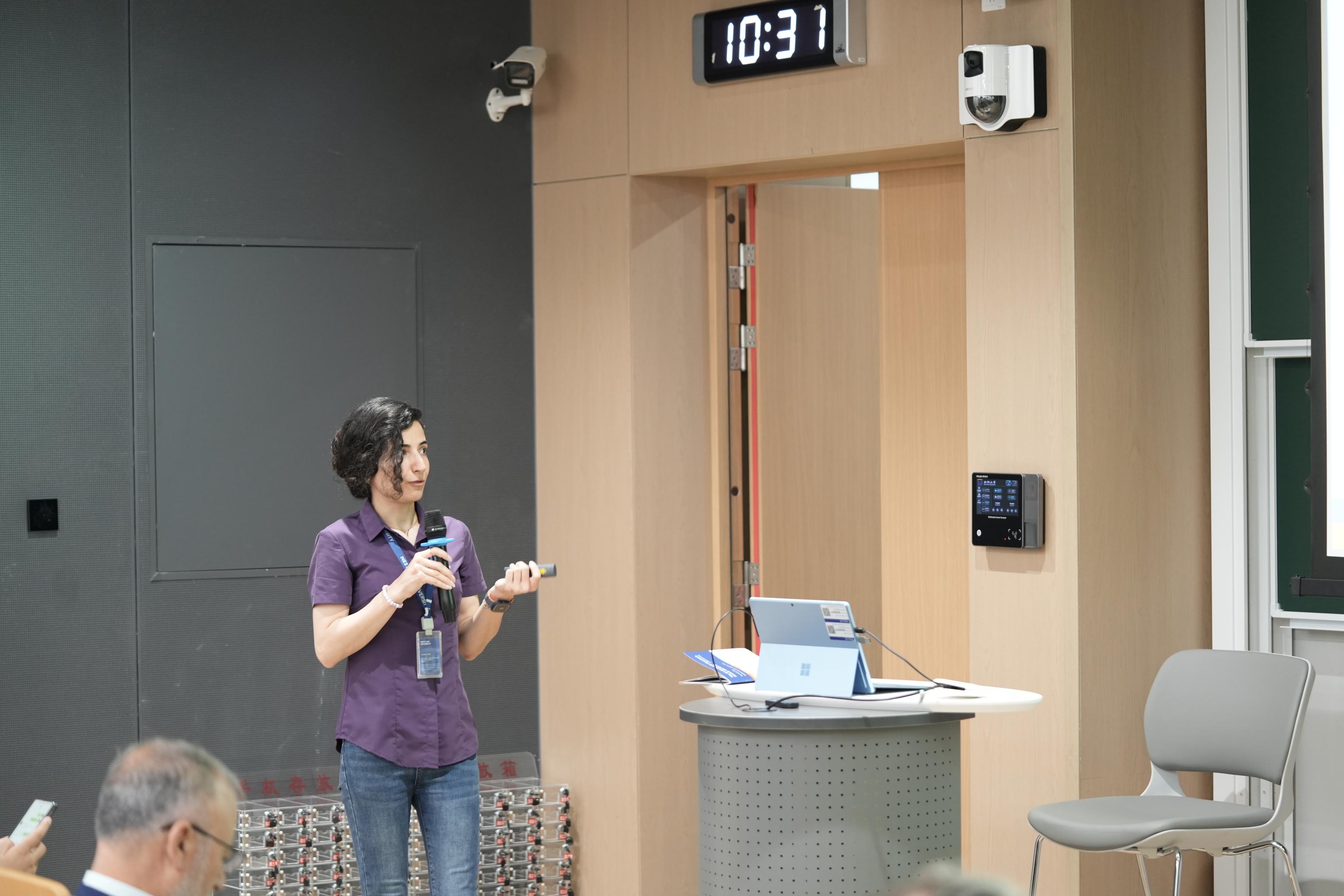
• Dr. Fahimeh Marvi (Research Assistant Professor): Advanced BioMEMS for Multimodal Sensing of Neurological Disorders
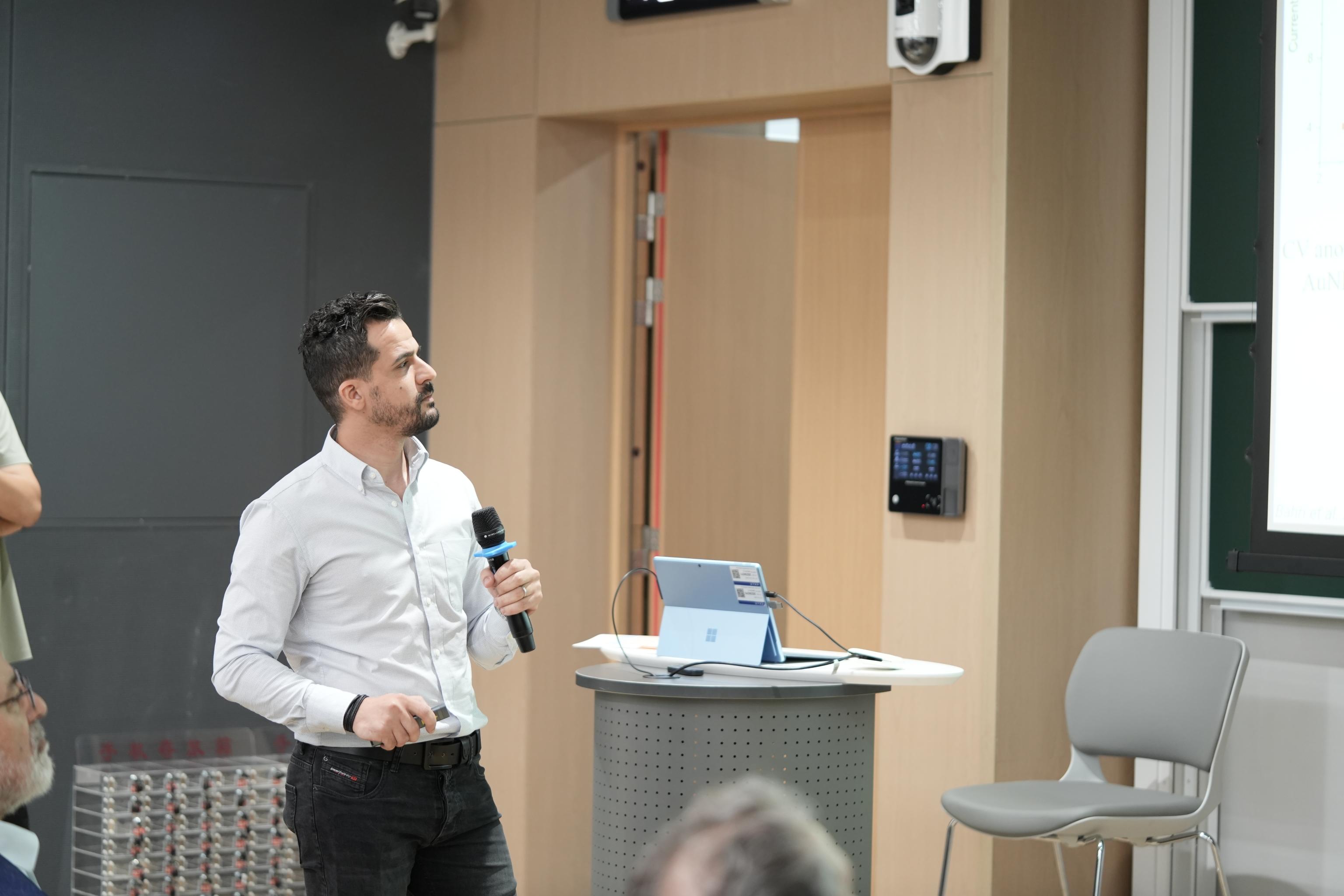
• Dr. Mohamed Bahri (Research Assistant Professor): MOF-Assisted Platform for Electrochemical Detection of Lung Cancer
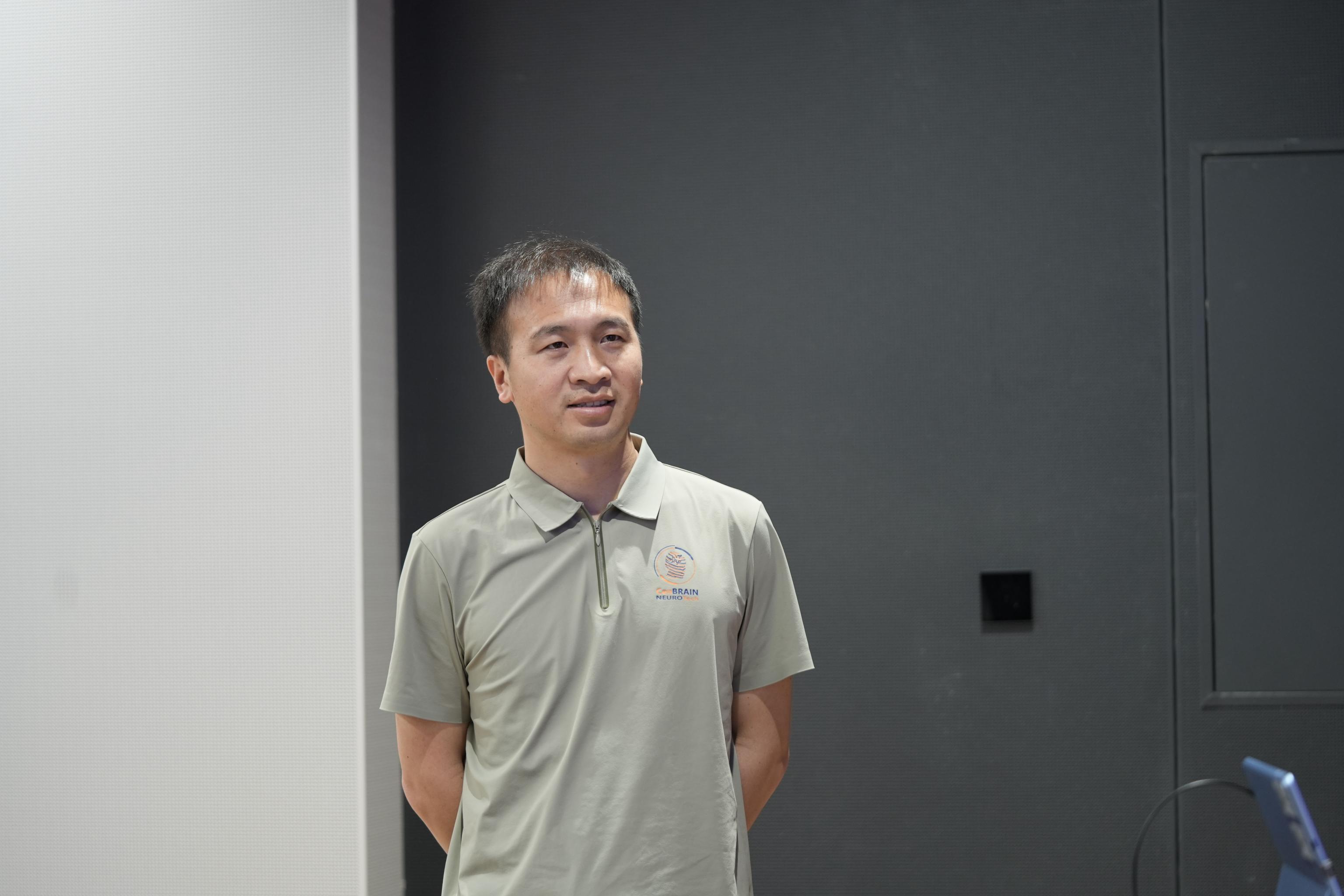
• Dr. Yi Su (Research Assistant Professor): Decoding Synaptic Neurotransmitter Dynamics in Brain Organoids
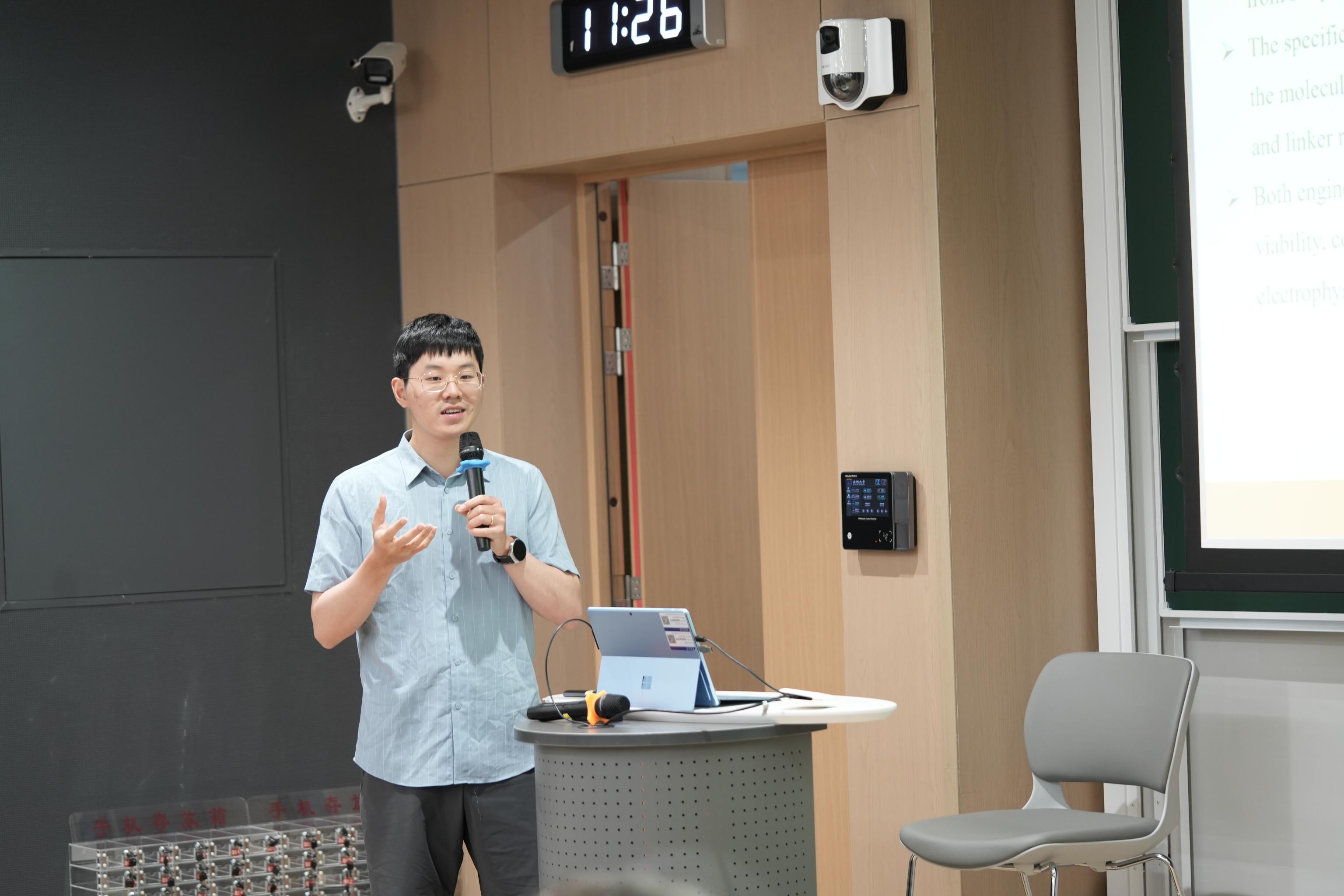
• Dr. Hongyong Zhang (Postdoctoral Fellow): A Programmable Peptide Interface for 2D and 3D Neuron Culture
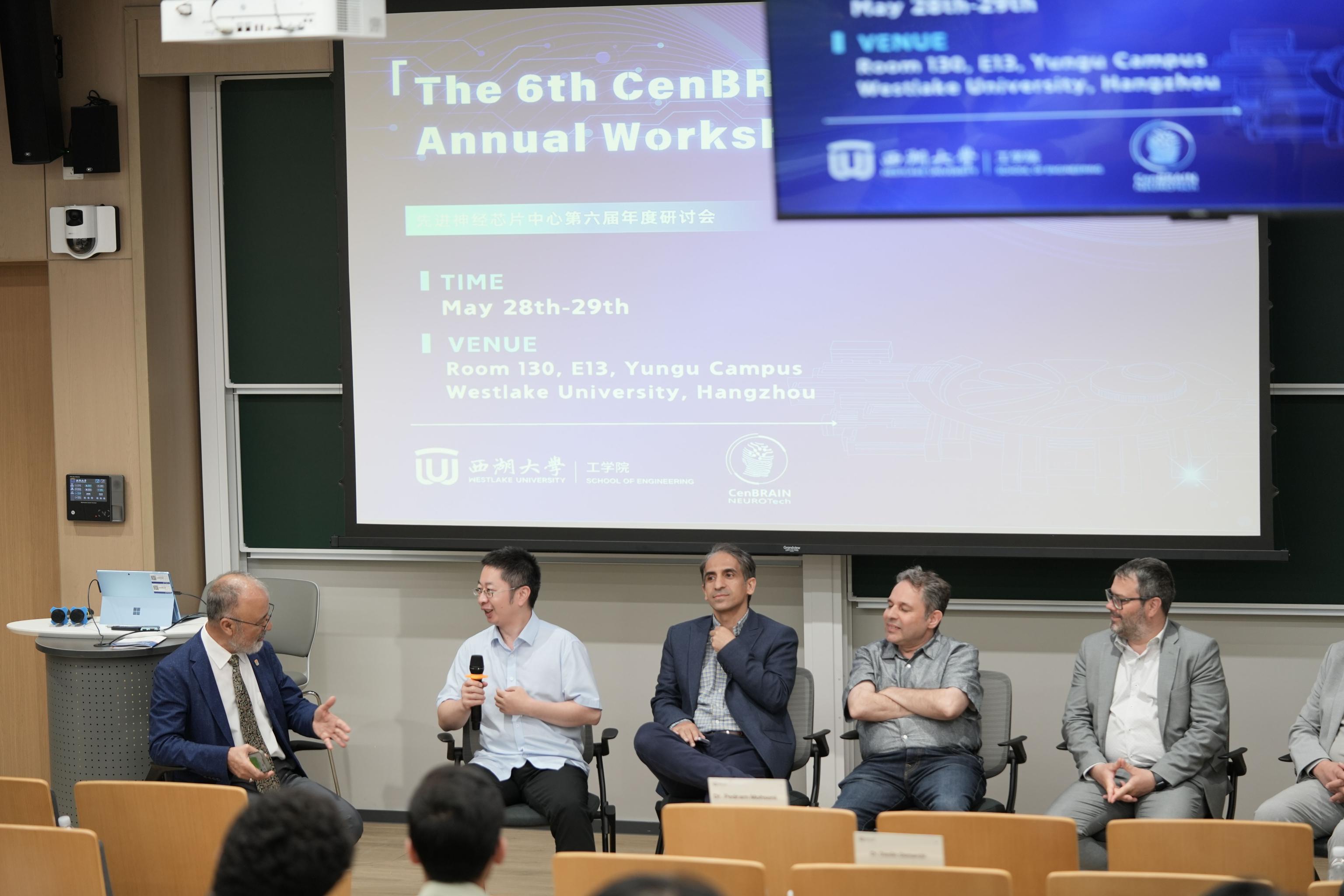
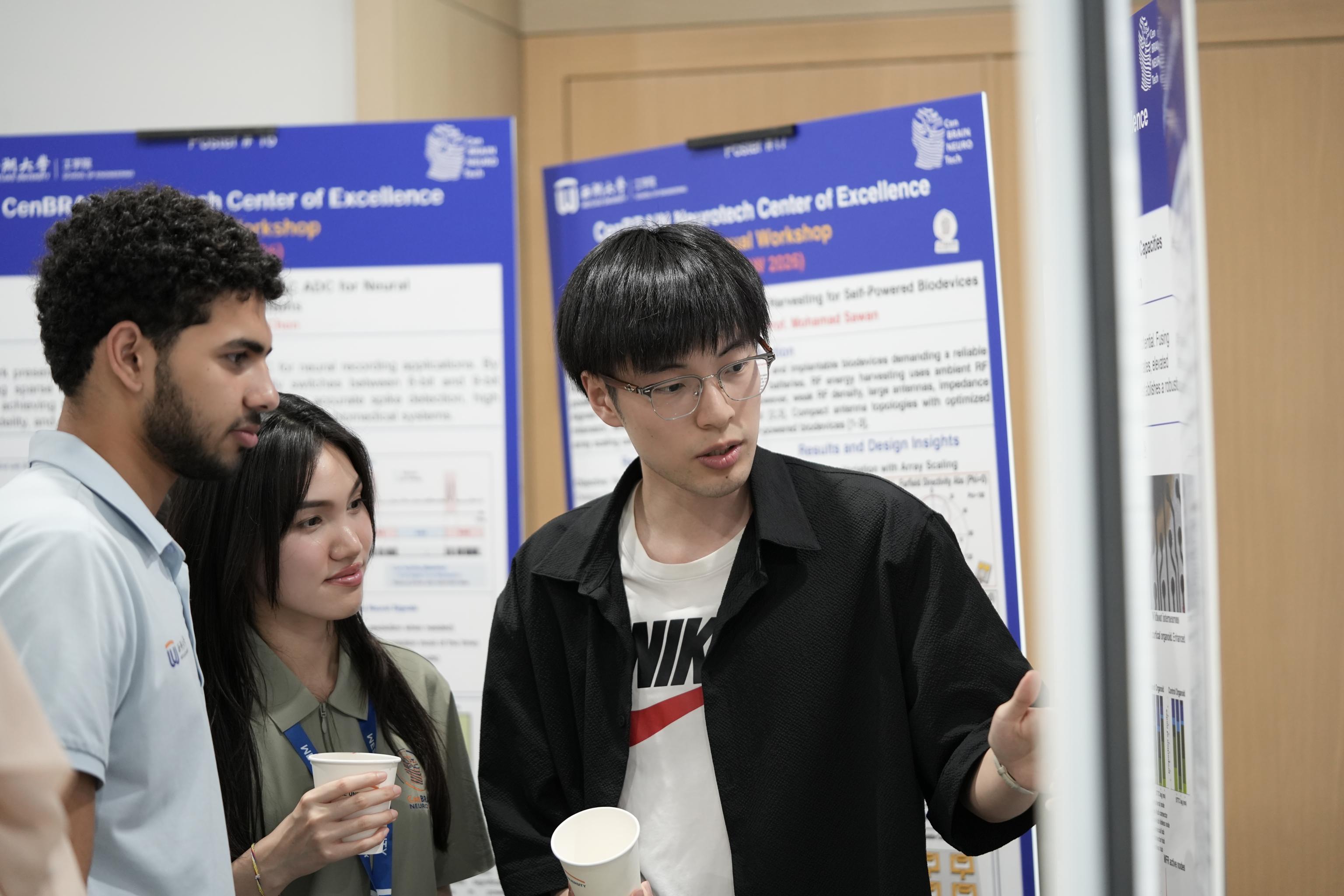
While senior researchers delivered systematic and in-depth research outcomes, 14 PhD students showcased their creative latest findings through academic posters. Complementing solid fundamental research with forward-looking exploration, the panel discussions also explored interdisciplinary methodologies and AI-enabled research paradigms, bridging established expertise and emerging innovation.
As a much-anticipated annual tradition, the awards session was held shortly before the workshop closure.
Led over by Prof. Mohamad Sawan, certificates and commemorative gifts were presented to outstanding contributors:
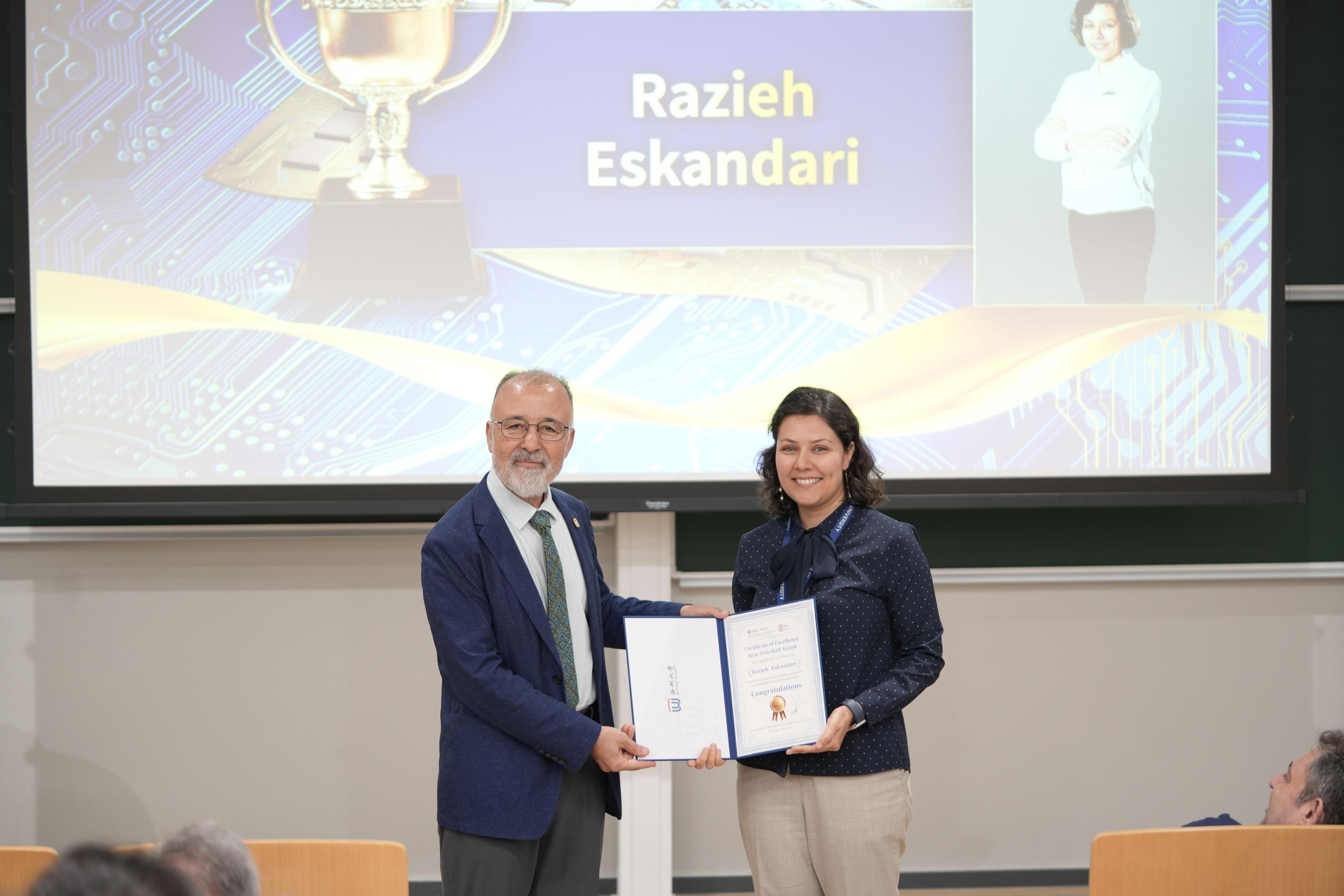
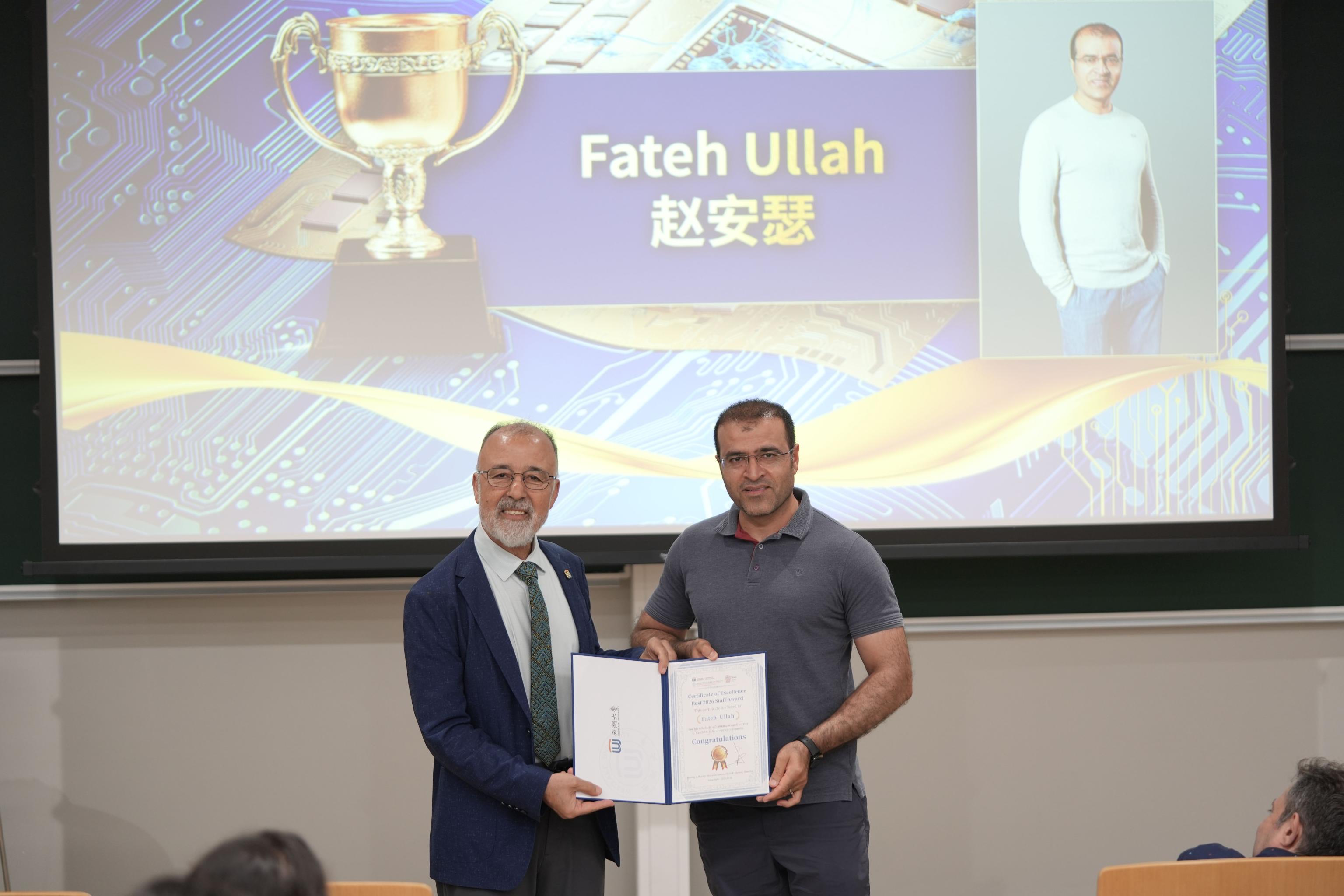
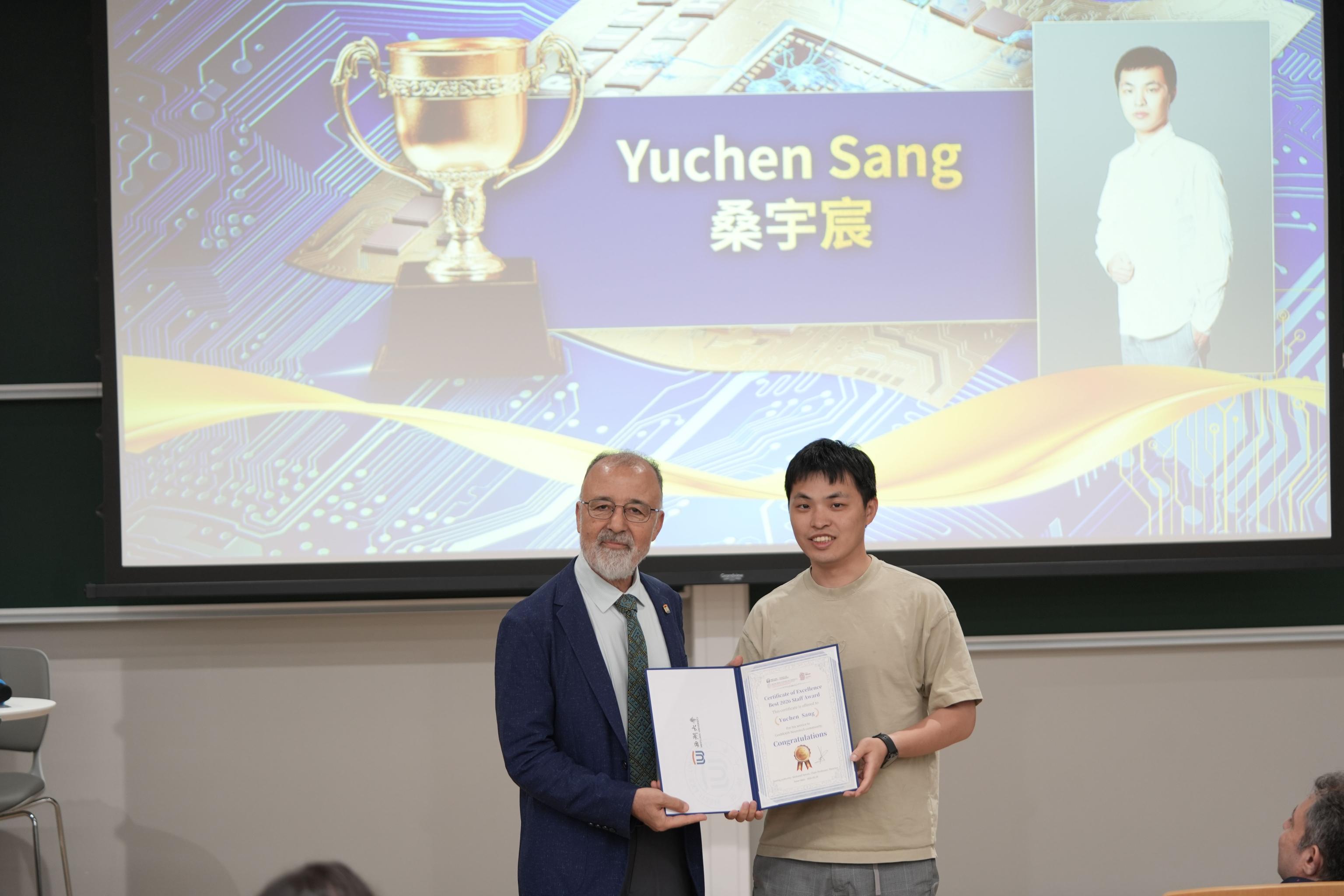
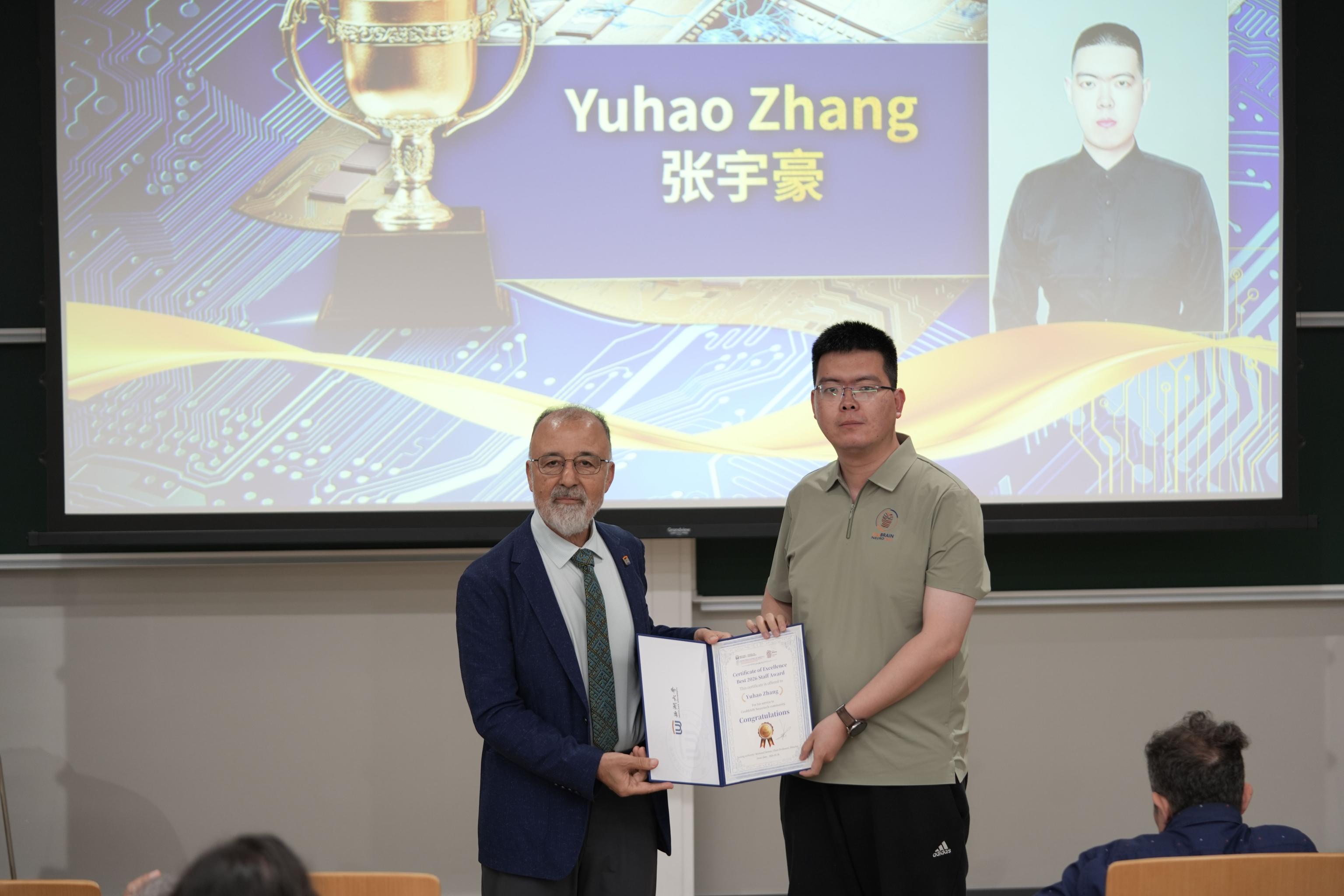
• Best Staff: Dr. Razieh Eskandari, Dr. Fateh Ullah, Yuchen Sang, and Yuhao Zhang
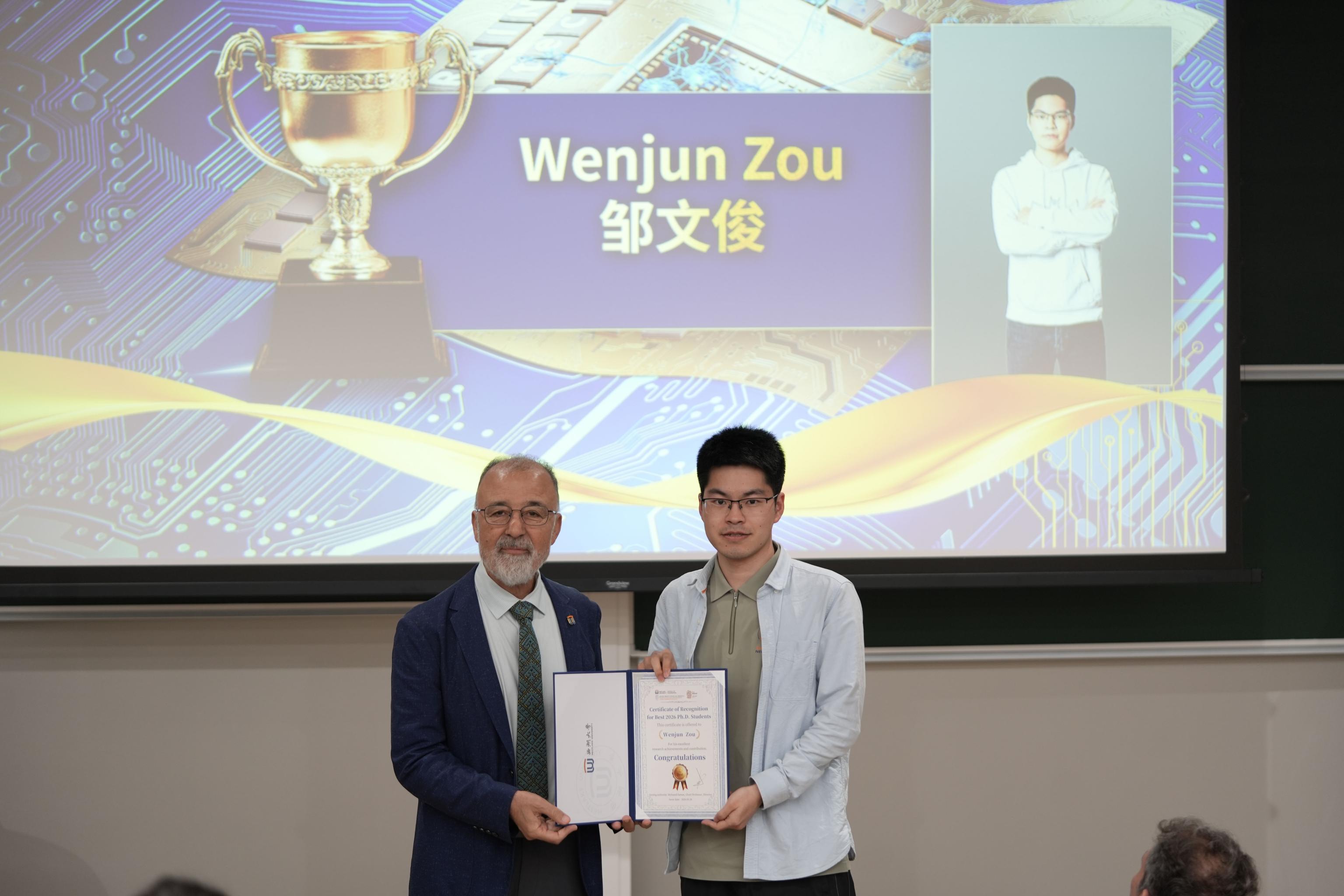
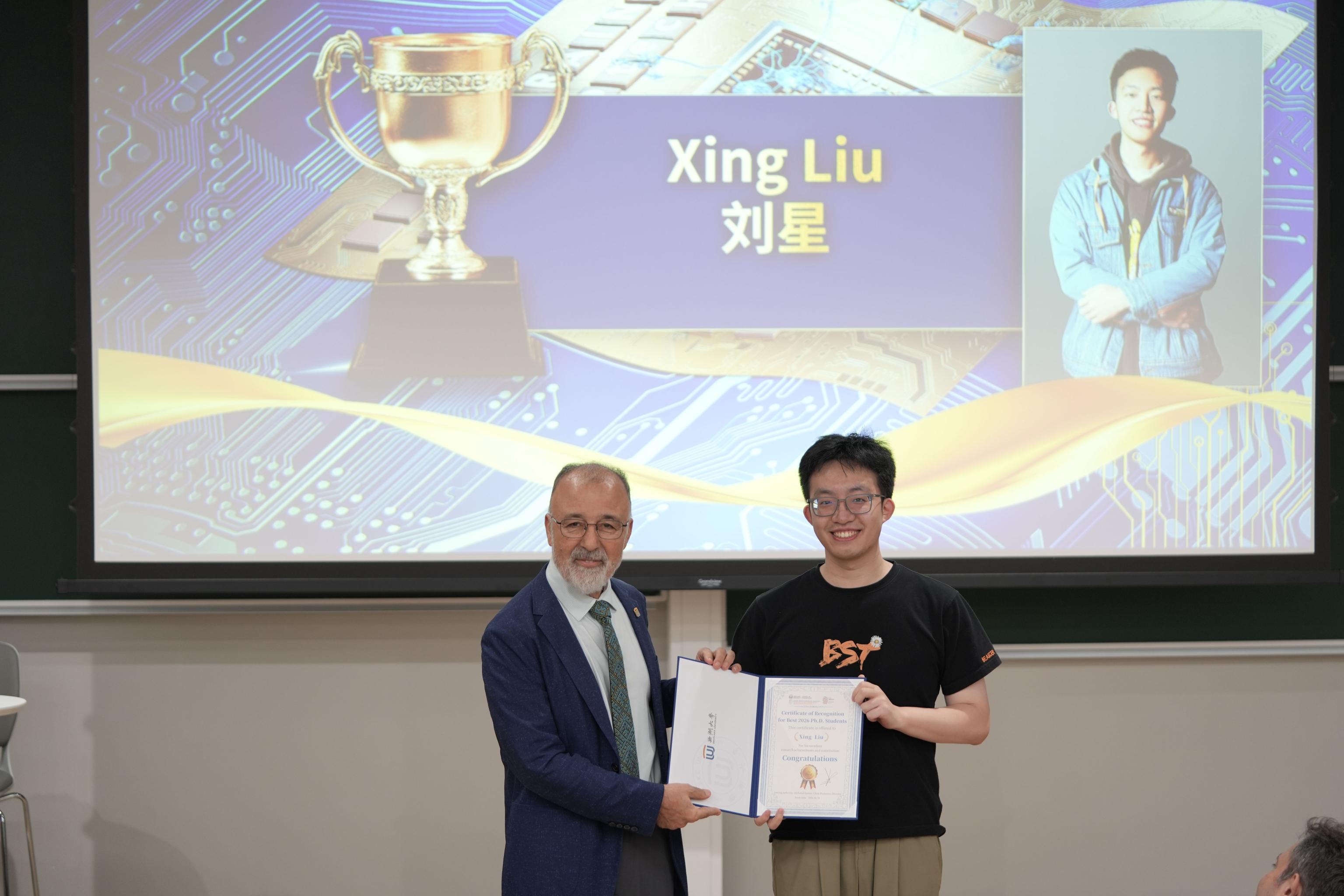
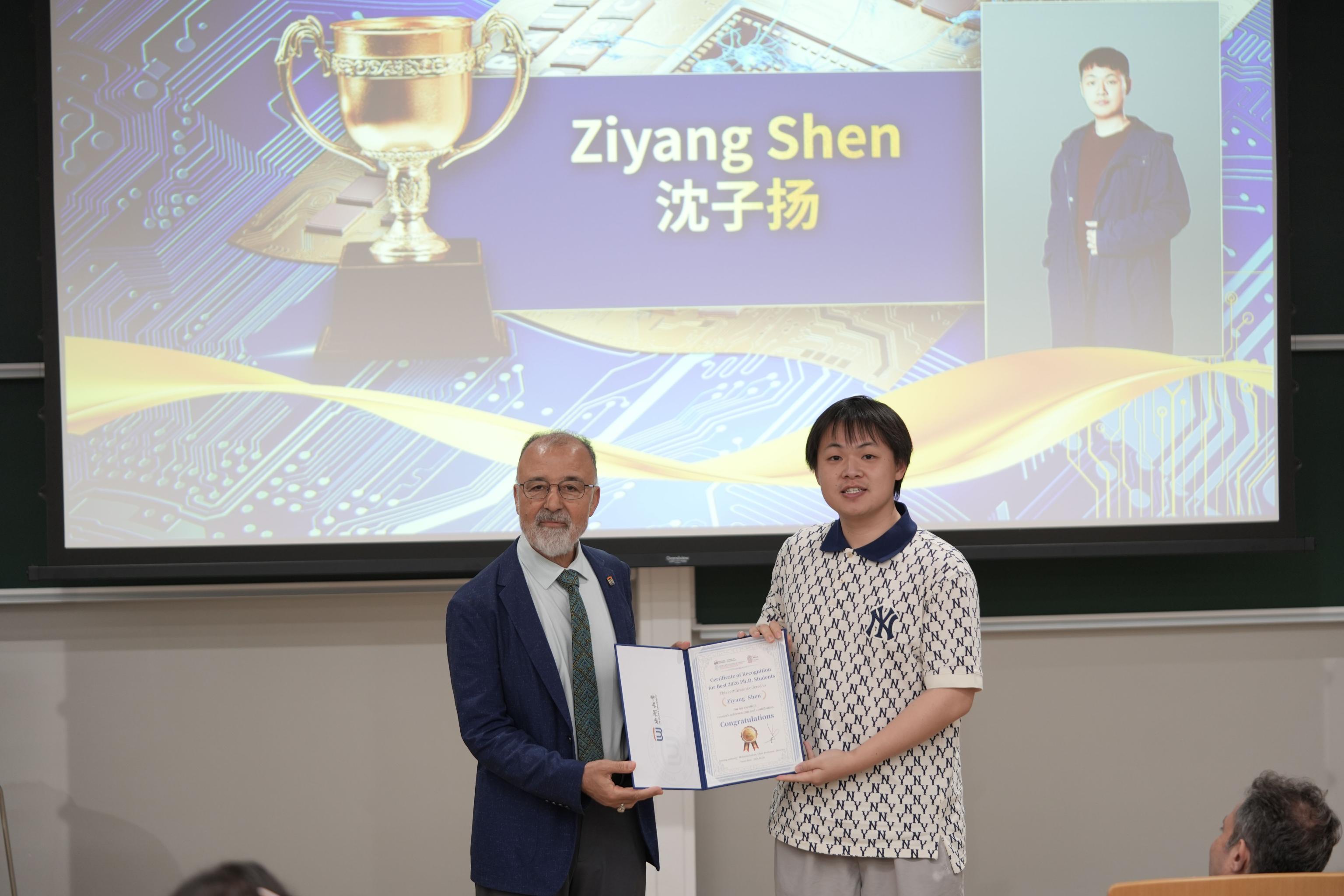
• Best Student: Wenjun Zou, Xing Liu, and Ziyang Shen
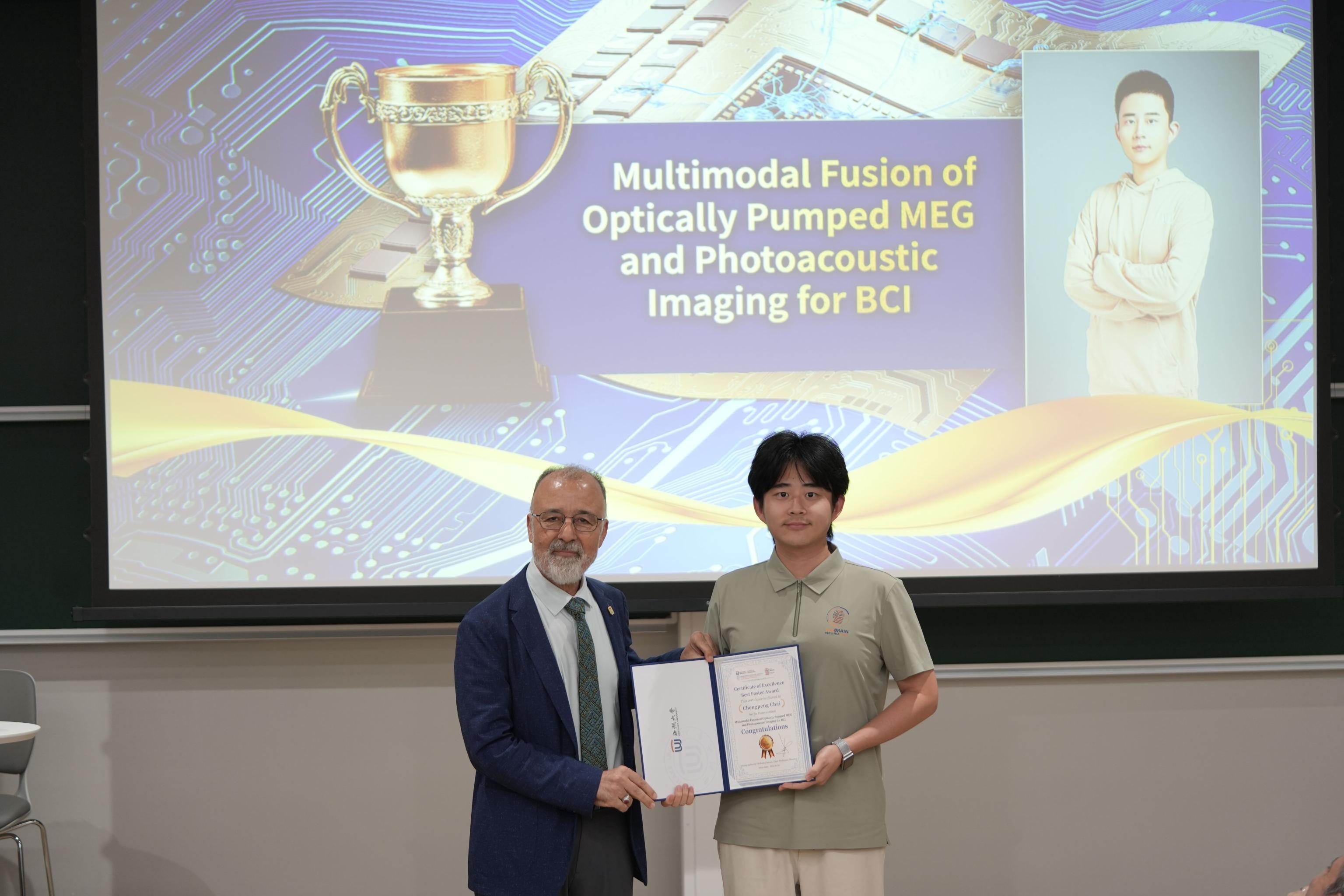
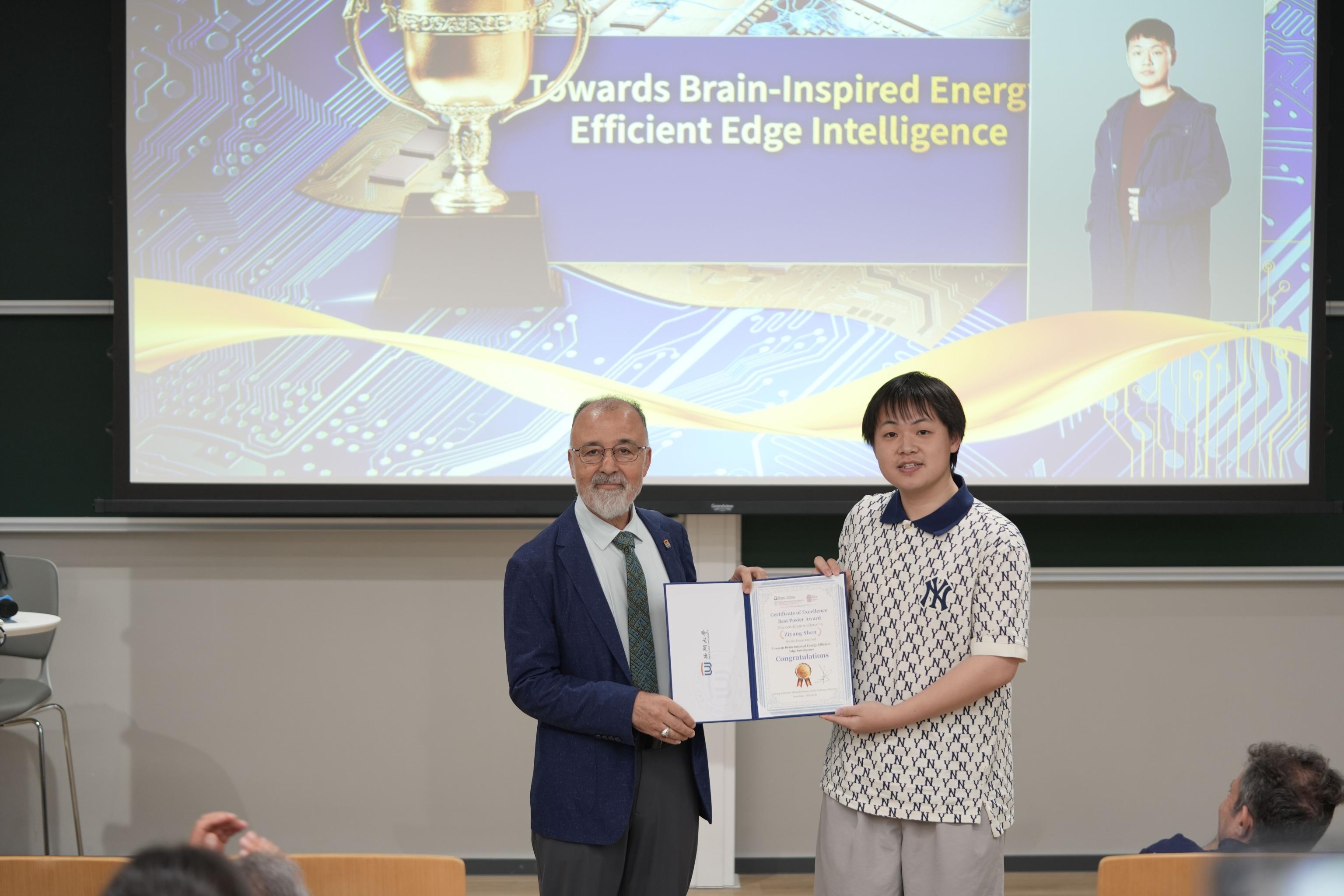
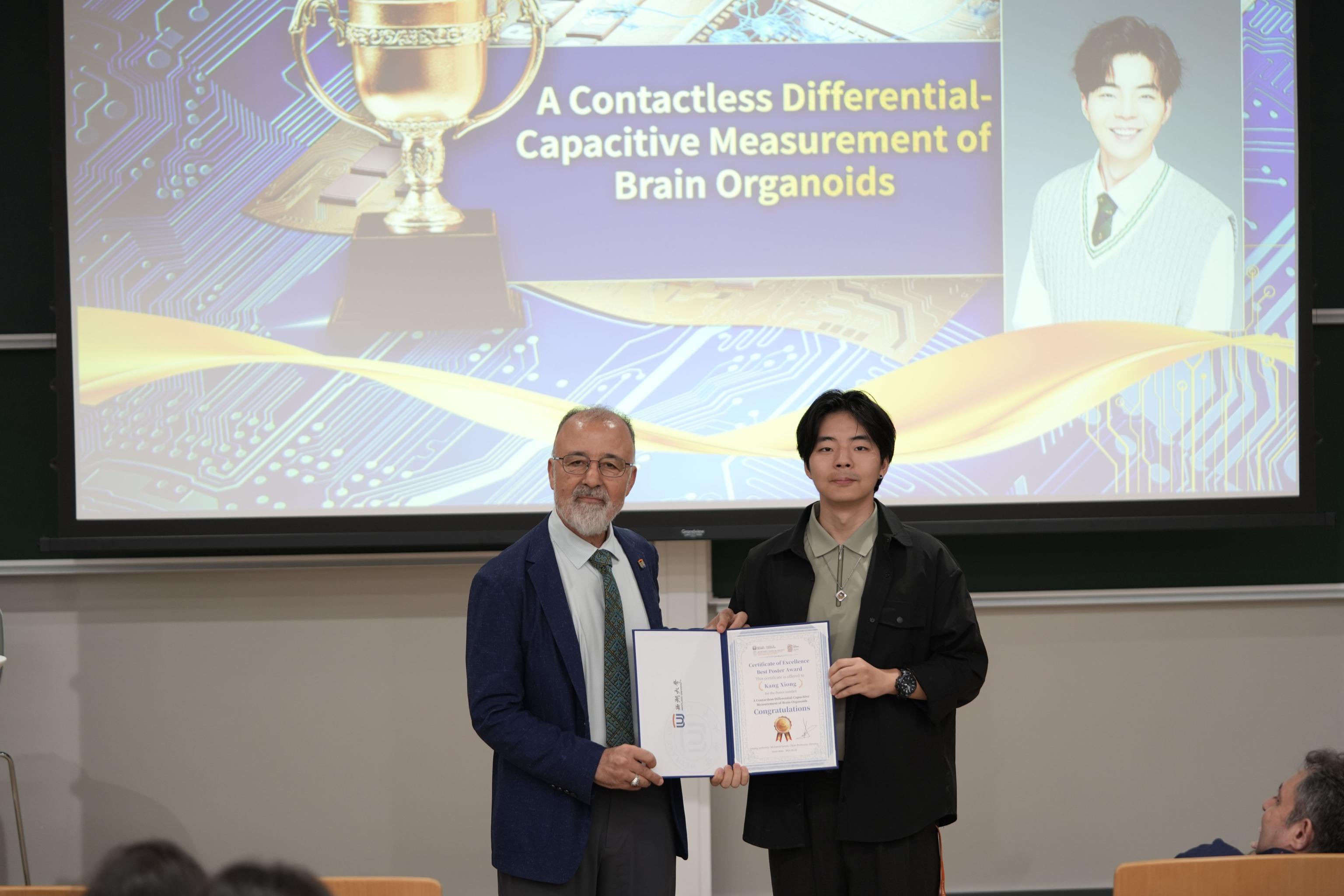
• Best Posters: Chengpeng Chai, Ziyang Shen, and Kang Xiong
Closing Remarks
At the workshop’s closing, Prof. Sawan extended sincere gratitude to all invited guest speakers: Prof. Danilo Demarchi, Prof. Pedram Mohseni, Prof. Mehdi Kiani, Prof. Benoit Gosselin, Prof. Bo Zhao, Prof. Sandro Carrara, and Prof. Ahmed Madian as well as Dr. Junrui Chen, Mr. Junyan Qian and Roberta Grasso from Prof. Carrara’s EPFL research group.
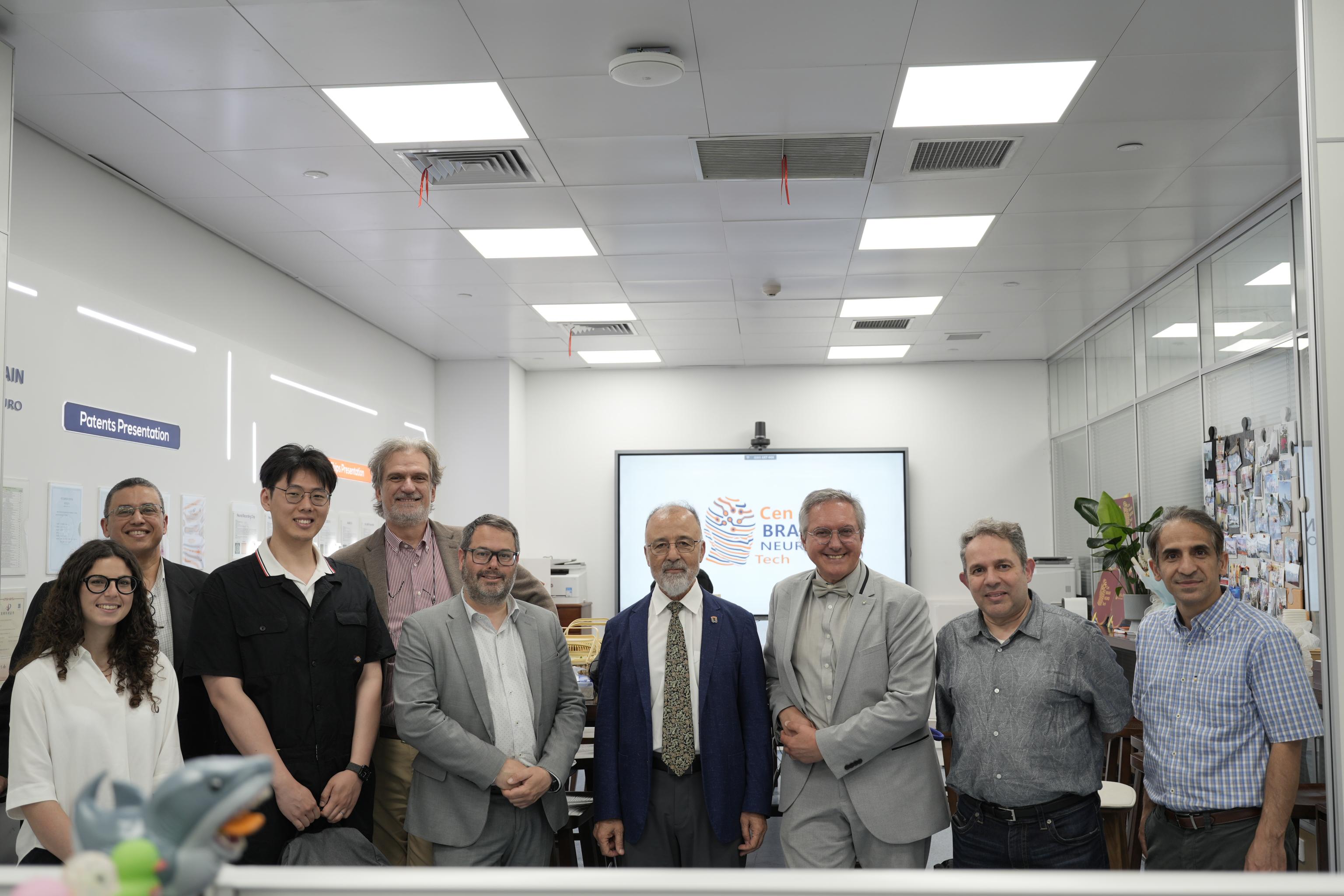
The successful delivery of CBNAW26 was credited to the strong institutional support from Westlake University’s Department of Electronics and Information Engineering and the Office of International Affairs. It also benefited from the diligent work of volunteer team members, who ensured the smooth running of the entire event and demonstrated the team’s collaborative and inclusive atmosphere to international guests.
The Founding Director of CenBRAIN Neurotech, Chair Prof. Mohamad Sawan has pioneered the workshop’s long-standing academic tradition, greatly boosted cross-border interdisciplinary collaboration and helping Westlake University strengthen international visibility and global talent recruitment in neuroengineering.
Faculty and students across relevant disciplines at Westlake University are welcome to follow future workshop updates and join ongoing academic exploration and innovative development of next generation neurochips.