On the morning of May 13, the 57th session of the CenBRAIN Neurotech Center Leading Lecture Series (CELLS) was held in Room E10-306 at Westlake University.
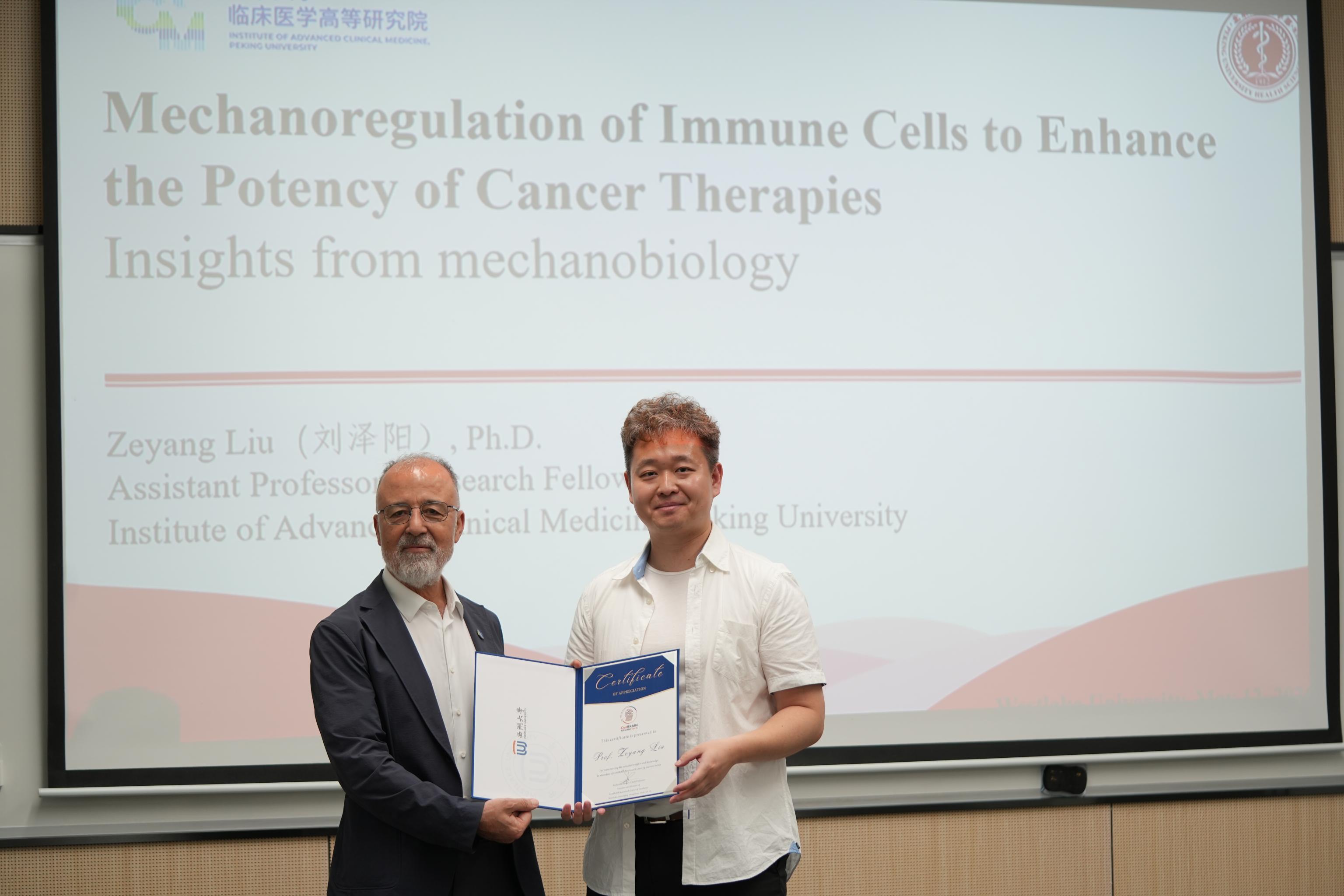
Professor Zeyang Liu from the Institute of Advanced Clinical Medicine, Peking University, was invited as the speaker. The lecture was hosted by Chair Professor Mohamad Sawan and assisted by Dr. Hongyong Zhang, postdoctoral fellow at our center.
In this session, we stepped outside the familiar field of neurochip research and turned our attention to the frontier of cancer immunotherapy—TCR-T cell therapy. Professor Liu shared his insights on how mechanical cues can help address the challenges of “limited expansion and easy exhaustion” of T cells in solid tumor treatment.
Speaker Biography
Zeyang Liu, Ph.D. is an Assistant Professor and Principal Investigator at the Institute of Advanced Clinical Medicine, Peking University, and at the Beijing Center for Cell Homeostasis and Aging-Related Diseases. He is a recipient of the National Overseas High-Level Young Talent Program. Dr. Liu obtained his Ph.D. from Nagoya University in 2018 and conducted postdoctoral research at the University of California, Los Angeles (UCLA) from 2022 to 2025. His research focuses on biomechanics and immune engineering, particularly on how mechanical cues in the microenvironment regulate immune cell activation, metabolic reprogramming, and cell fate decisions. His work centers on the role of mechanical signals in T cell immune responses, where he has developed artificial antigen-presenting systems with tunable mechanical properties to systematically investigate how biophysical parameters influence antigen-specific T cell function. Dr. Liu has published as first or co-first author in leading journals, including Nature Biomedical Engineering (two papers), Nature Protocols, Nature Reviews Bioengineering, and Cell Biomaterials (two papers). He is currently supported by the National Science Fund for Excellent Young Scholars (Overseas) and serves on the editorial board of Med-X.
Lecture Abstract
Adoptive T cell therapy, particularly T cell receptor–engineered T cells (TCR-T), has emerged as a promising approach in cancer immunotherapy. It enables T cells to recognize and attack cancer cells with higher precision, demonstrating great therapeutic potential.
However, Professor Liu candidly addressed a key challenge facing this technology: in the context of solid tumors, TCR-T cells often struggle with limited ex vivo expansion, functional exhaustion, and insufficient in vivo persistence issues that severely hinder their clinical efficacy.
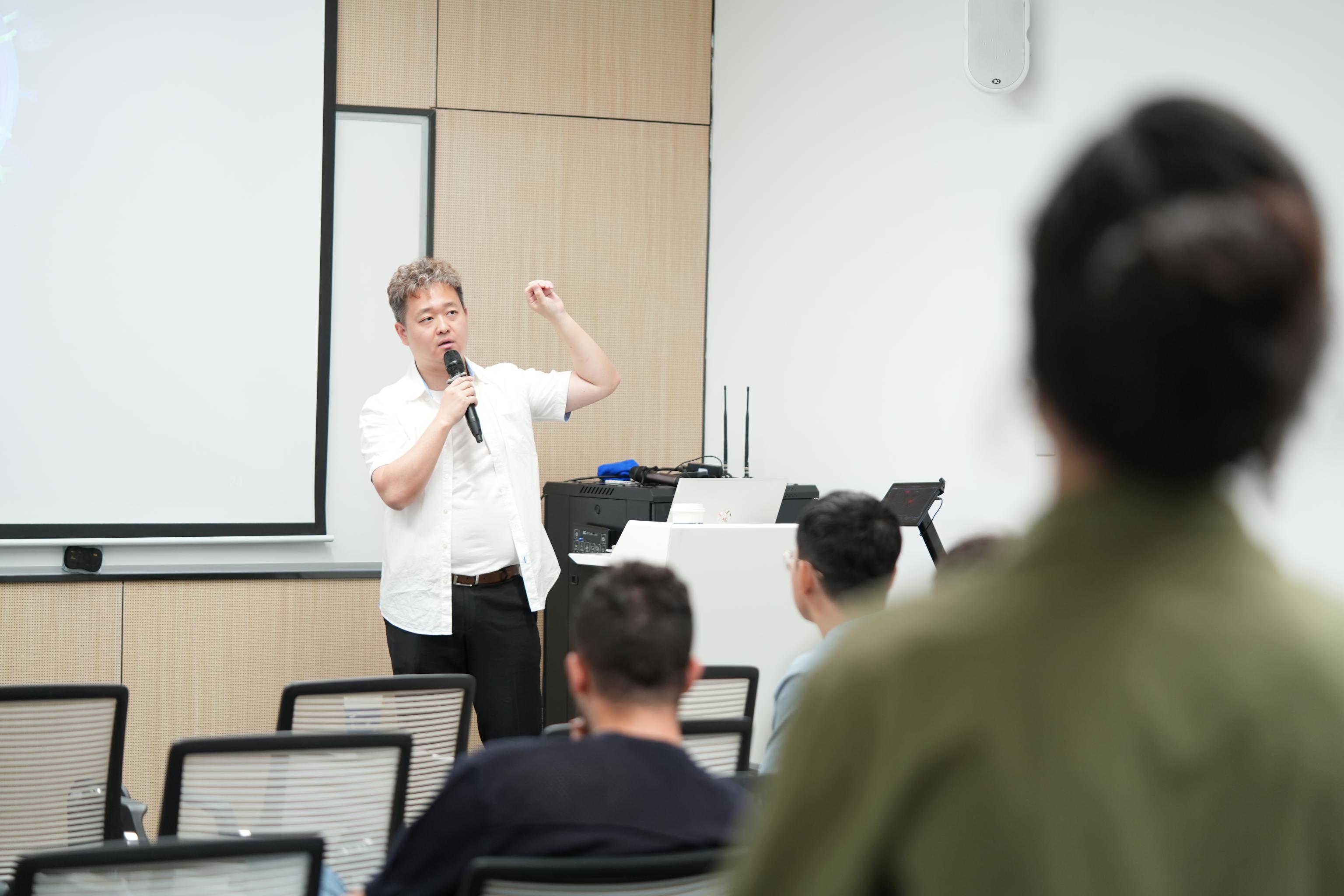
During the lecture, Professor Liu pointed out that natural antigen-presenting cells not only activate T cells through biochemical signals but also influence T cell fate through their physical properties, such as viscoelasticity. Unfortunately, existing in vitro expansion systems have largely overlooked this critical mechanical dimension.
To address this challenge, Professor Liu and his team developed a viscoelastic synthetic antigen-presenting cell system with precisely tunable stress relaxation properties. While keeping antigen and co-stimulatory signals consistent, they systematically investigated how mechanical properties regulate TCR-T cell activation, metabolic reprogramming, and fate determination. The talk provided a detailed analysis of how different viscoelastic parameters influence TCR signal transduction, energy metabolism, memory differentiation, and antitumor function.
Professor Liu concluded that this work reveals a mechanobiological mechanism underlying TCR-T cell regulation and provides a theoretical foundation for developing smarter and more efficient T cell manufacturing strategies for future cancer immunotherapy.
During his visit, Dr. Liu was deeply impressed by the outstanding research environment at Westlake University and the CenBRAIN Neurotech Center of Excellence. After the lecture, he engaged in in-depth discussions with faculty and students on cutting-edge topics including cell therapy and organoid culture.
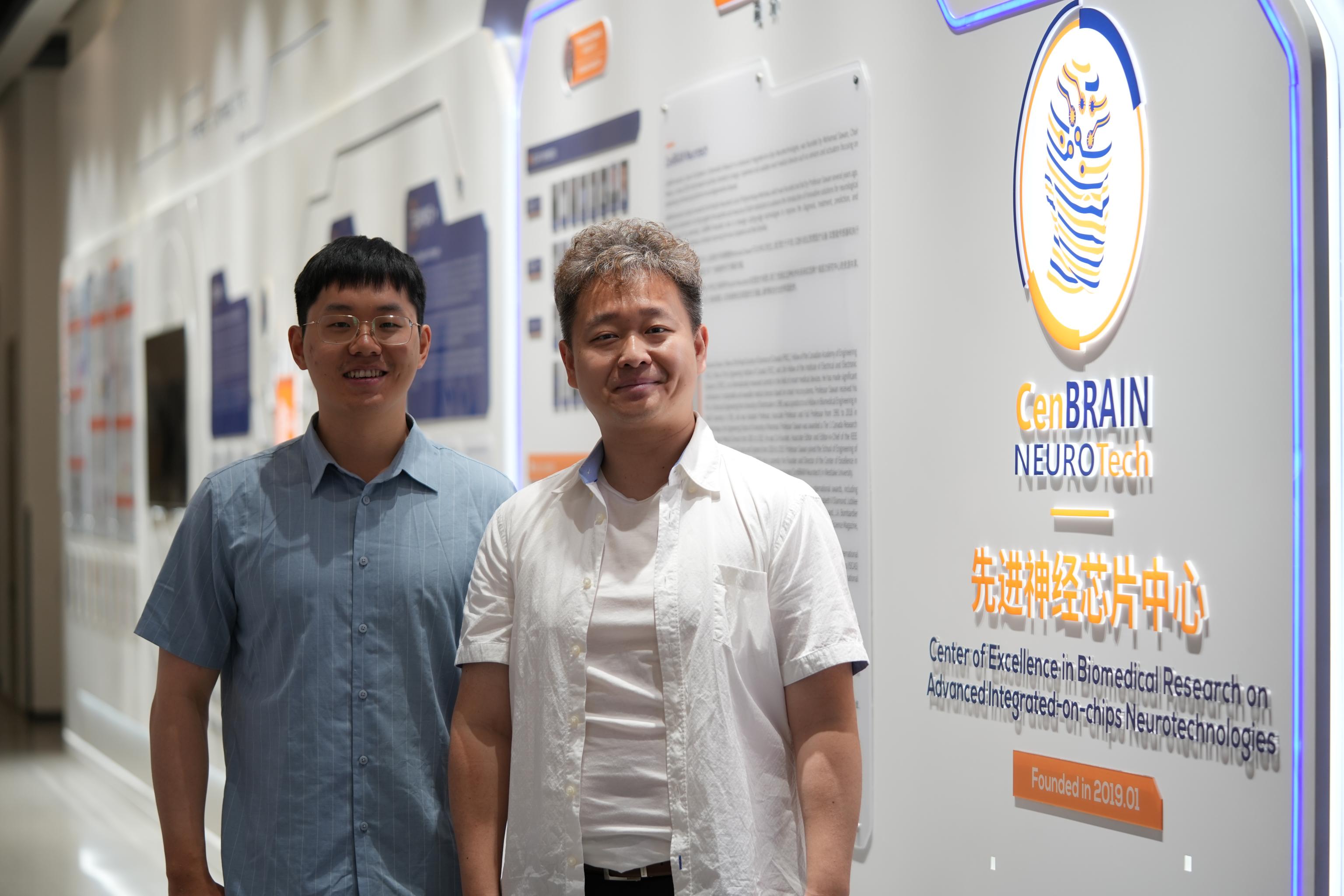
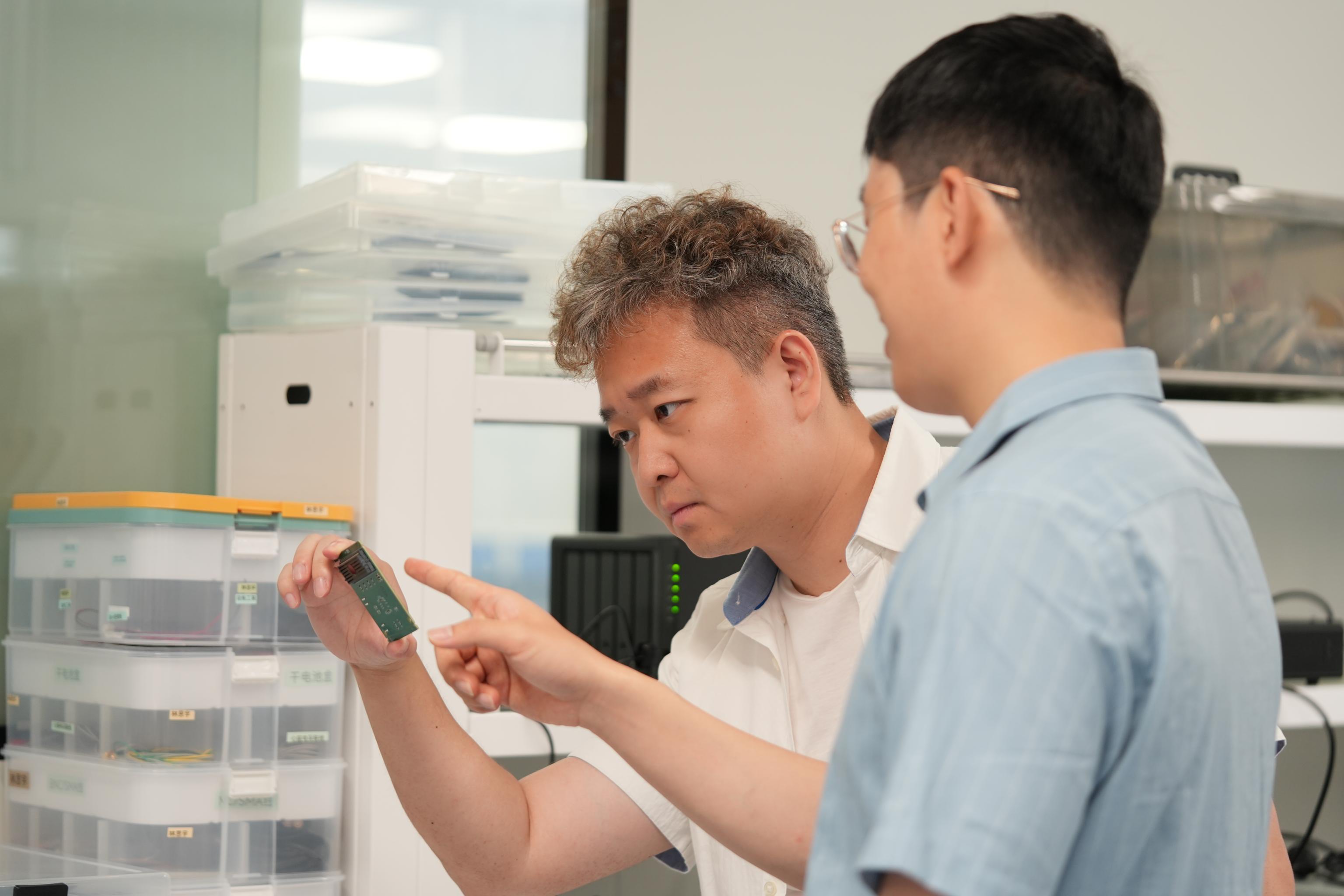
We extend our sincere gratitude to all the students for their active participation, and to Dr. Zeyang Liu for his insightful talk and visit. The CELLS lecture series will continue to build a high-level academic exchange platform, connecting outstanding scholars and sharing impactful frontier research.